HAIRCUT IDEAS
Stacked Bob vs Classic Bob: Which Suits Your Face?
Same length family, totally different personality. One gives you sharp, graphic polish; the other hands you volume on autopilot. Here’s how to pick the right bob for your face shape, hair type, and real life.
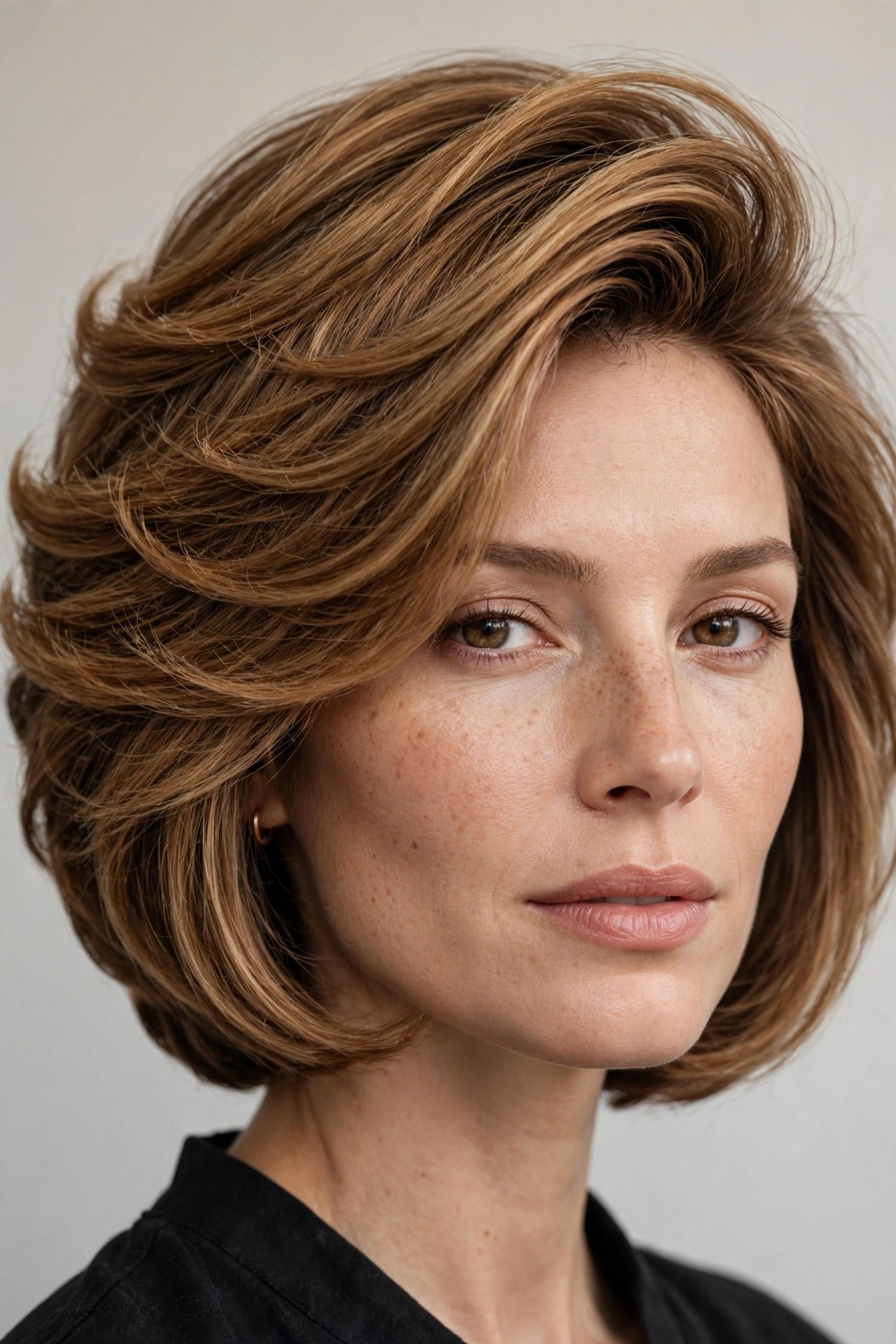
The bob is having its biggest moment in years — but walk into a salon and say “give me a bob” and you’ll get a question back: classic or stacked? They look like cousins in photos, but they behave like opposites on your head. One frames the jaw like a tailored blazer. The other lifts the crown like built-in volume you never have to earn.
Pick wrong and you’ll spend six weeks fighting your hair every morning. Pick right and strangers start asking for your stylist’s number. Let’s break it down so you walk in knowing exactly what to ask for.
1. The Classic Bob, Decoded
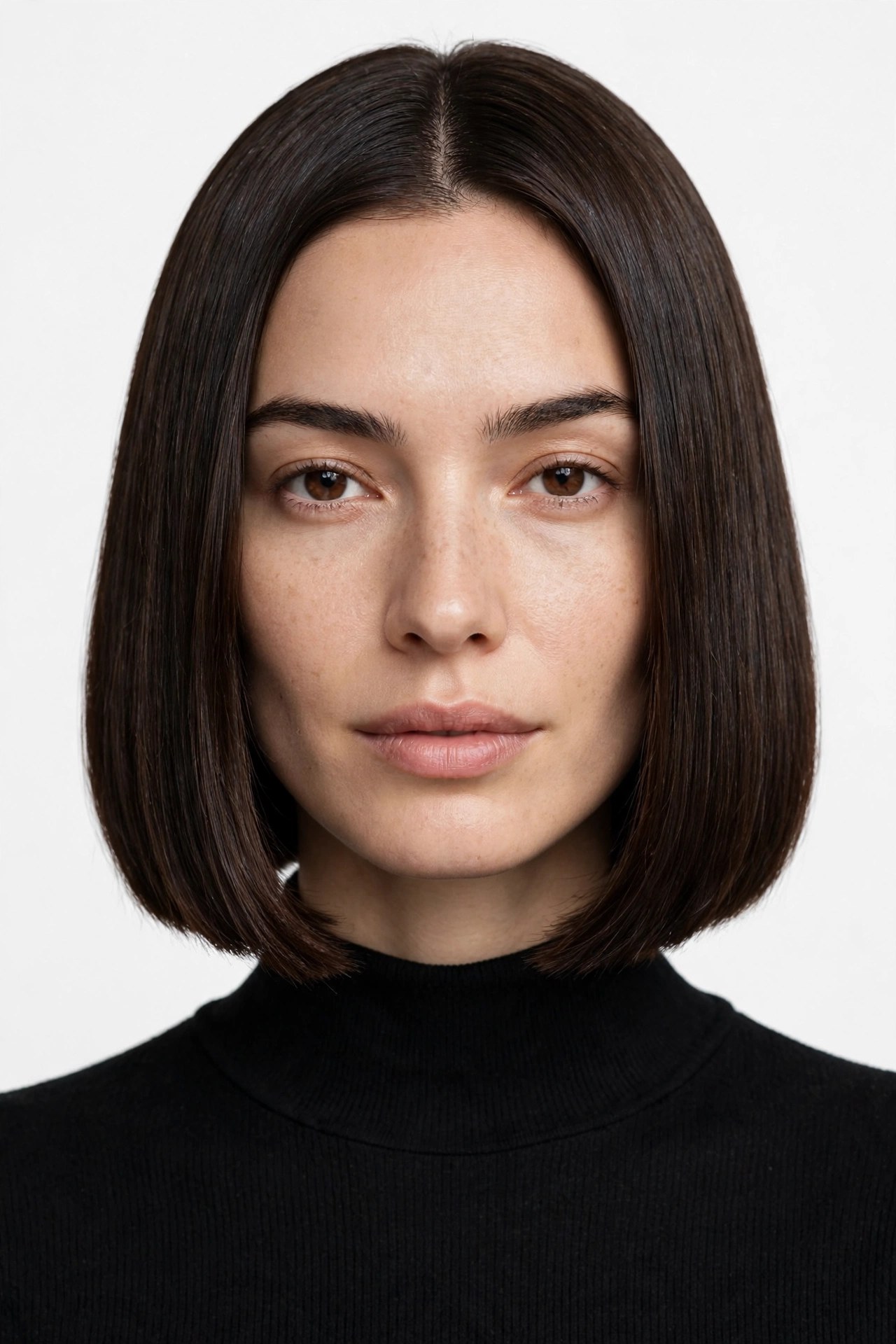
The classic bob is one length all the way around — blunt, even ends that fall anywhere from the earlobe to just below the chin. No layers, no graduation, no tricks. Its power is the graphic line: that clean perimeter draws the eye straight to the jawline and cheekbones.
It’s the Anna Wintour of haircuts — sharp, deliberate, and it never really goes out of style. It shines on straight to slightly wavy hair because the blunt ends sit heavy and smooth. On very curly hair it can puff into a triangle, so curls usually need a softer, layered version.
Styling time: 5–10 minutes. A flat iron pass, a dab of smoothing serum, done. Upkeep: trims every 6–8 weeks, because the second that blunt line grows out, the whole look goes soft.
2. The Stacked Bob, Decoded
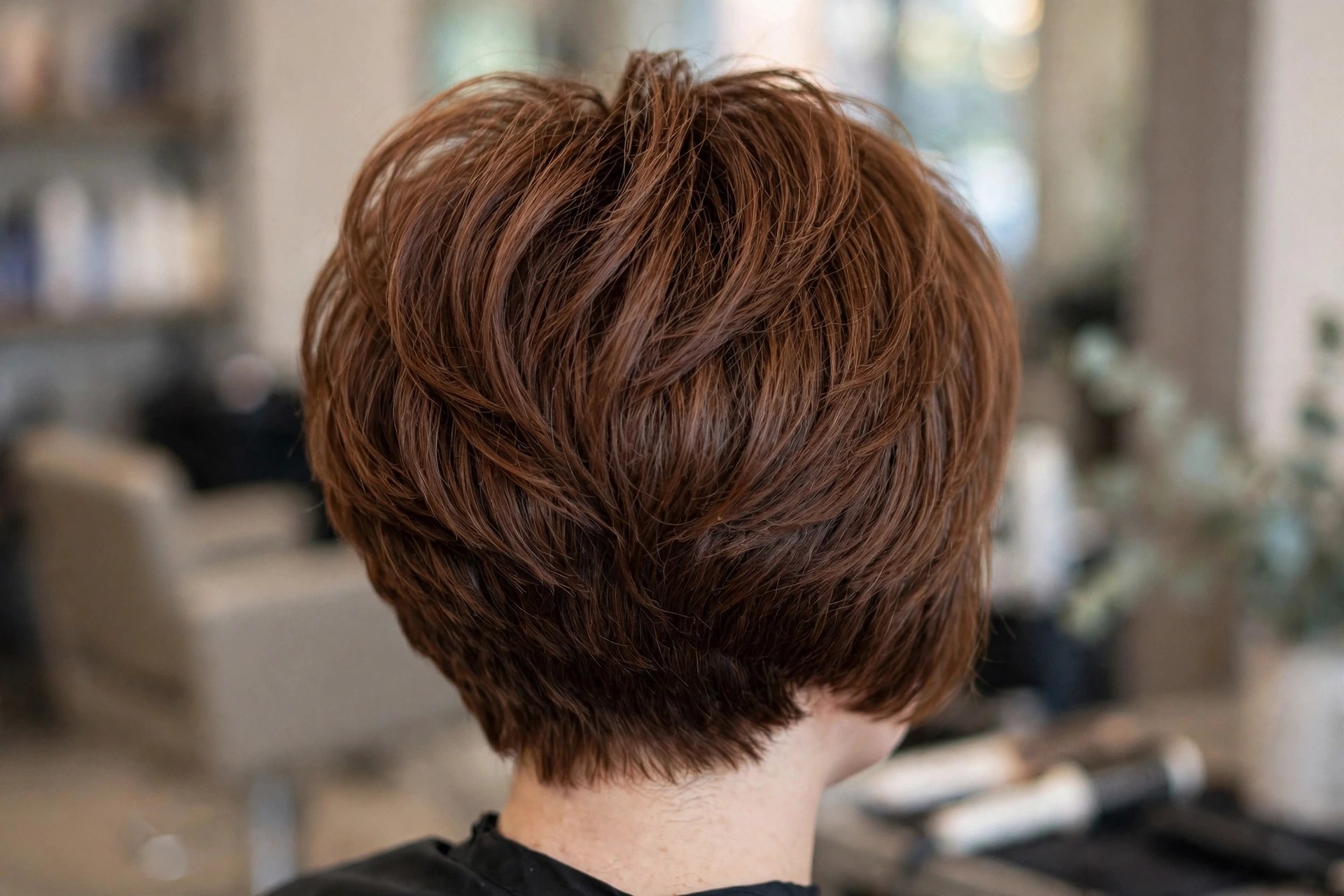
The stacked bob is shorter at the nape and longer toward the front, with graduated layers “stacked” through the back. Those layers do something magical: they build volume at the crown automatically, even on hair that normally lies flat.
Where the classic bob is a straight line, the stacked bob is architecture. It has movement, texture, and a slightly tousled energy — the haircut equivalent of “I woke up like this” (except you didn’t; your layers did the work). It’s a dream for fine hair and anyone who wants fullness without teasing or hot rollers.
Styling time: 5–8 minutes — mostly blow-drying the crown upward with a round brush. Upkeep: trims every 5–7 weeks; the graduation grows out faster than a blunt line.
3. Face Shape First: Round Faces

If your face is round, length is your best friend. The classic bob worn slightly longer — grazing the jaw or just below — creates vertical lines that elongate. Ask your stylist to keep the front pieces a touch longer than the back and skip the heavy graduation, which can add width right where you don’t want it.
A stacked bob can still work on a round face, but keep the volume high at the crown (not at the sides) and let the front angle forward. The rule: volume up top, slim at the cheeks.
4. Square and Heart Faces
Strong jawline? The stacked bob is your secret weapon. Its soft, rounded graduation blurs sharp angles and adds fullness around the mid-face, which balances a square jaw beautifully. Piecey, textured ends keep it from looking boxy.
Heart-shaped faces (wider forehead, narrower chin) do best with a classic bob that hits right at the chin — the blunt weight fills in the lower half of the face and creates balance. Add a side part to break up the forehead.
5. Oval Faces: The Lucky Ones
Oval faces are the universal donors of the bob world — nearly every version works. So choose by personality: want polished and powerful? Classic blunt bob. Want playful volume with edge? Stacked. Oval faces should decide based on hair type and styling tolerance instead (keep reading).
6. Fine Hair vs Thick Hair: The Real Decider
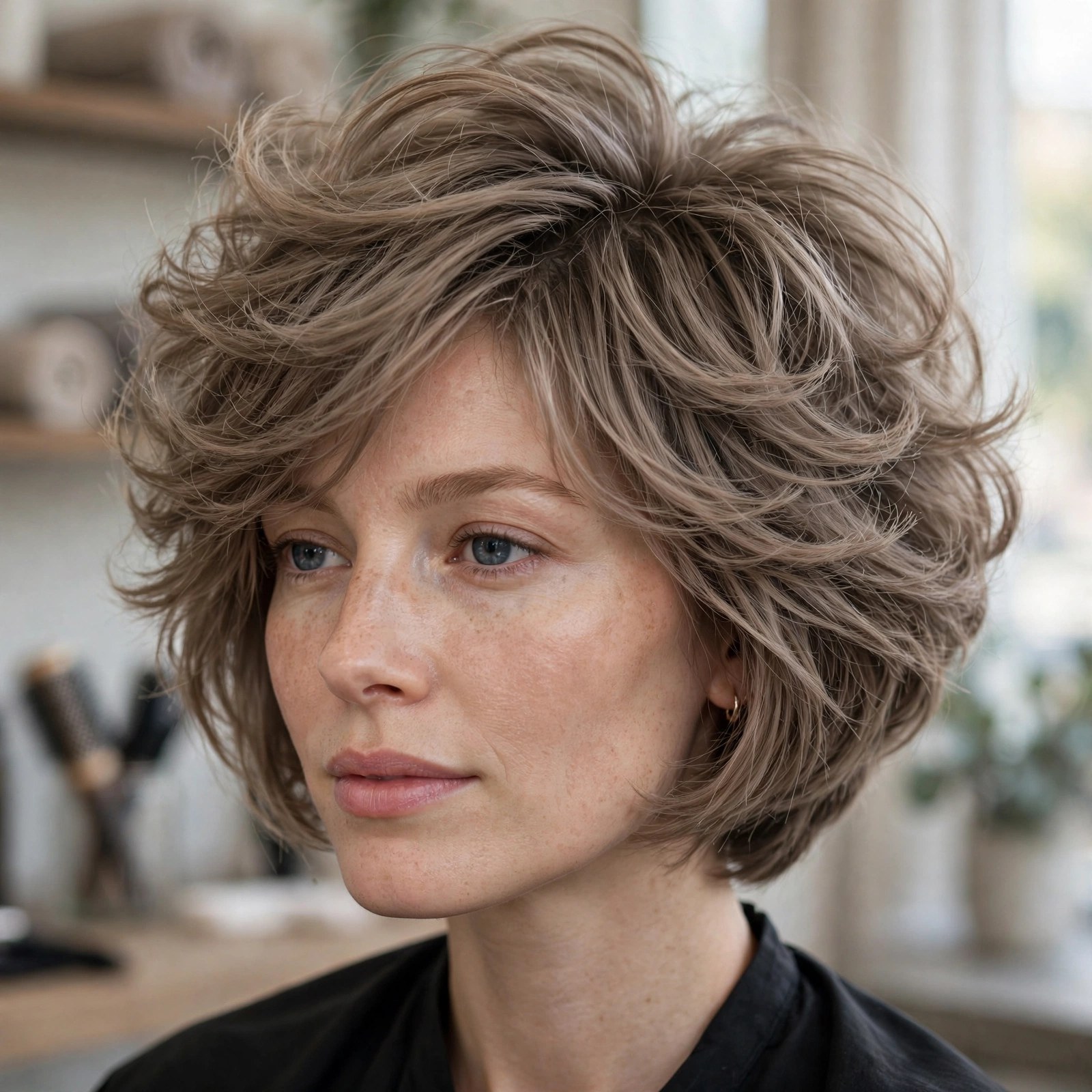
Here’s the truth most style guides bury: your hair type matters more than your face shape. Fine, limp hair and a blunt classic bob is a recipe for a flat, stringy look — the single length has nothing to hold it up. Fine hair loves the stacked bob: the graduation manufactures body you can’t get any other way.
Thick, heavy hair flips the script. A stacked bob on very thick hair can turn into a mushroom if the stylist doesn’t thin it properly — the graduation multiplies volume you already have. Thick hair looks expensive in a classic blunt bob because the weight keeps the line sleek and expensive-looking.
Quick rule: fine hair → stacked; thick hair → classic (or a stacked bob with serious internal thinning).
7. The Styling-Time Truth
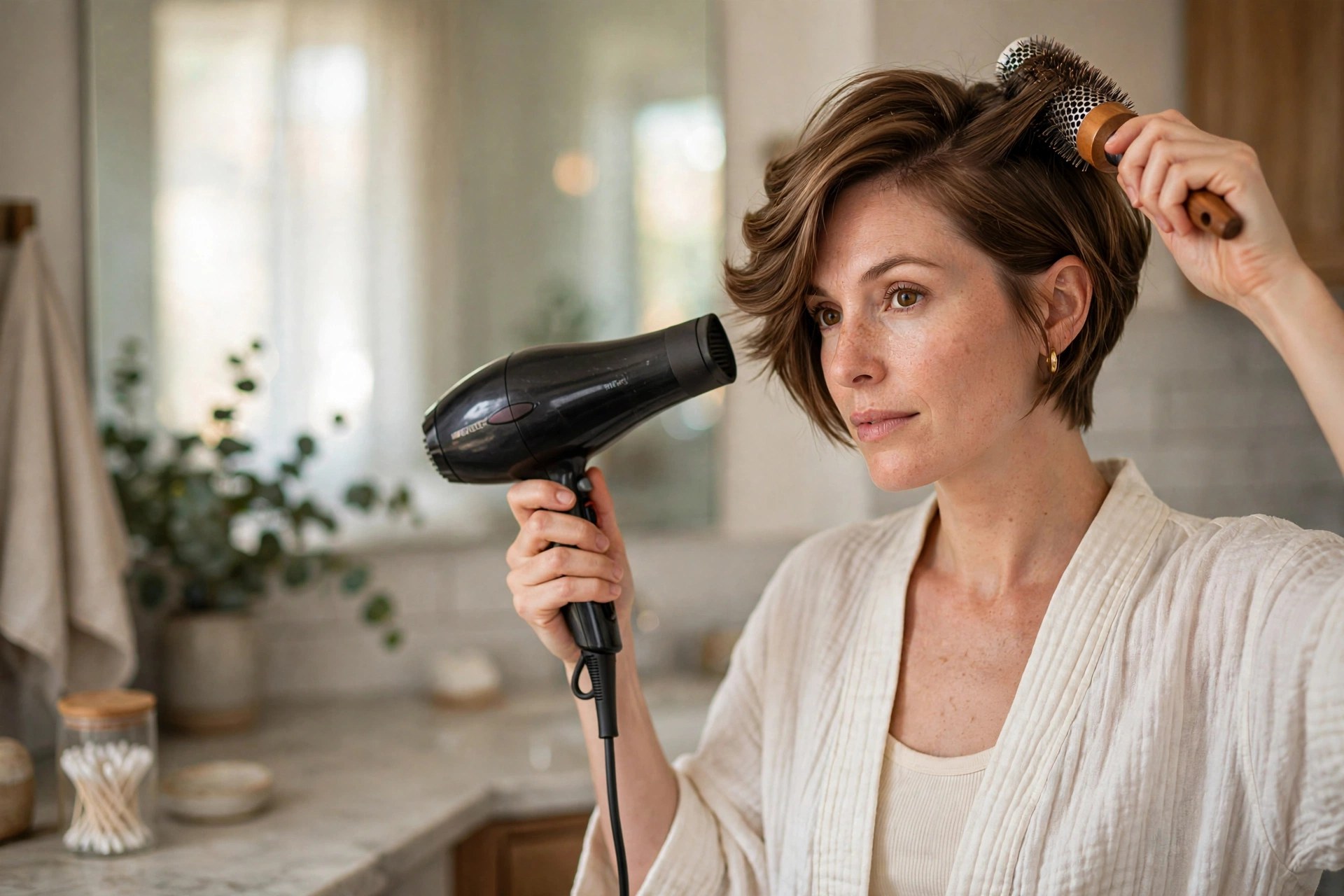
| Classic Bob | Stacked Bob | |
|---|---|---|
| Silhouette | Straight, graphic, one length | Graduated, rounded, voluminous crown |
| Best face shapes | Round, oval, heart | Square, oval, round (with crown lift) |
| Best hair type | Thick, straight, coarse | Fine, thin, limp |
| Daily styling | 5–10 min flat iron + serum | 5–8 min round-brush blow-dry |
| Salon upkeep | Every 6–8 weeks | Every 5–7 weeks |
| Vibe | Polished, powerful, minimal | Playful, voluminous, textured |
8. What to Ask For at the Salon (Word for Word)
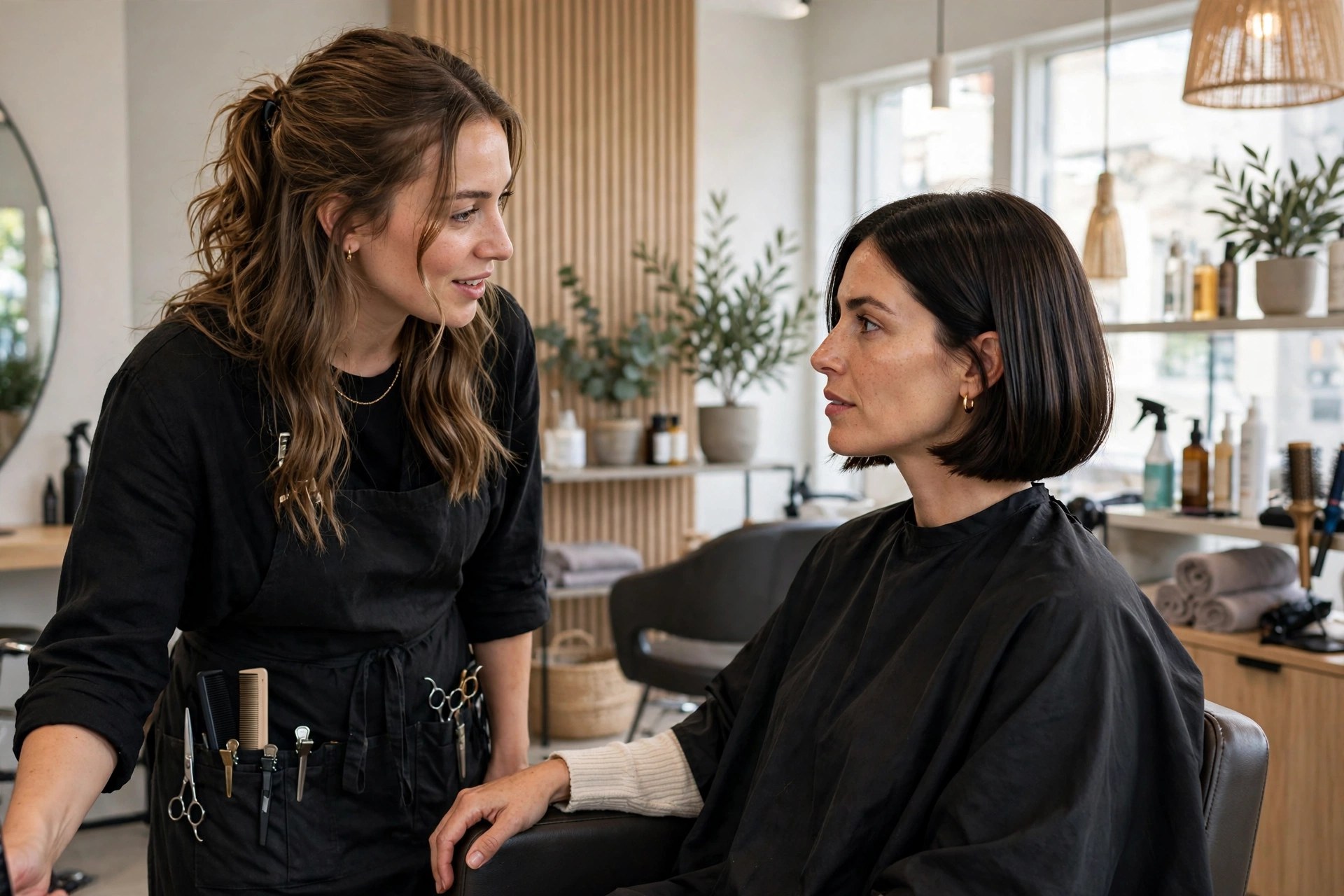
Bring photos — always — but these phrases get you in the right lane:
For the classic bob: “One-length blunt bob, chin length, no layers, clean perimeter. I want the line to look sharp.” If you want it softer: “blunt bob with a very slight bevel under.”
For the stacked bob: “Stacked bob, graduated shorter at the nape, longer in front, lots of texture through the crown. Build the volume at the back.” For fine hair add: “Keep the weight — I need the graduation to do the lifting.”
Pro tip from working stylists: ask for the cut dry-check. A good stylist will blow-dry it and refine the perimeter on dry hair — that’s where a great bob separates from an okay one.
9. The 10-Second Pick Guide
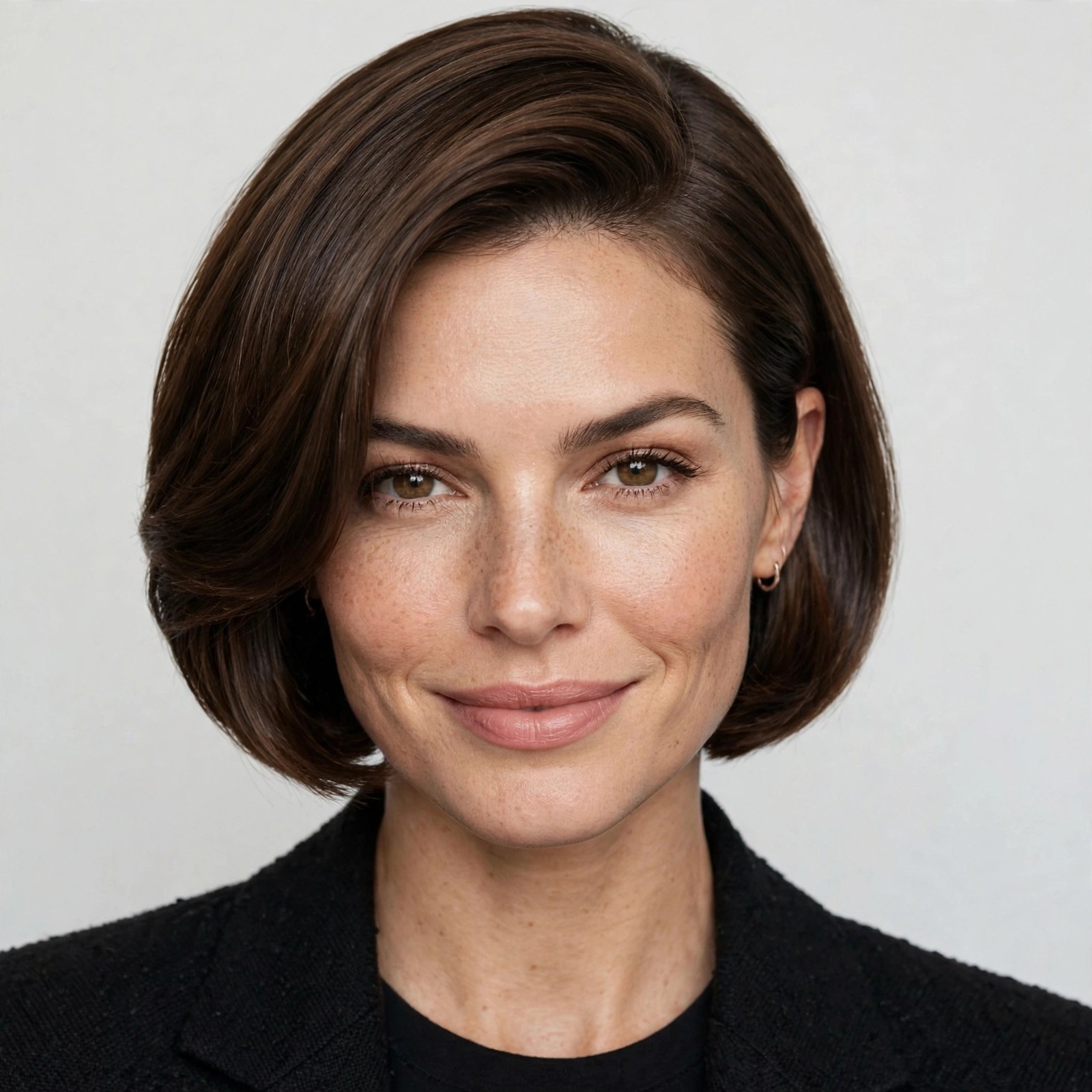
Still torn? Run this checklist:
- Pick the CLASSIC bob if: your hair is thick or coarse · you love a sleek, polished look · you own a flat iron and use it · you want the lowest-maintenance grow-out.
- Pick the STACKED bob if: your hair is fine or flat · you want volume without effort · you love texture and movement · you’re okay with slightly more frequent trims.
Either way, you’re in good company: the bob has survived a century of trends because it does what great haircuts do — it makes the face the star. Choose the version that works with your hair instead of against it, and you’ll wonder why you ever wore it long.
Frequently Asked Questions
Can I get a stacked bob if my hair is very fine?
Yes — it’s arguably the best bob for fine hair. The graduated layers at the back create the illusion of density and lift at the crown that fine hair can’t achieve on its own. Ask your stylist to keep the ends slightly blunt rather than overly thinned, so you keep maximum fullness.
Which bob makes you look younger?
The stacked bob usually wins here: the crown volume and textured movement read as fresh and energetic, while a severe blunt bob can look stern on some faces. That said, a classic bob with soft, slightly beveled ends is timeless at any age.
How often do I need a trim?
Stacked bobs: every 5–7 weeks, since the graduation grows out visibly. Classic bobs: every 6–8 weeks to keep the blunt line crisp. Stretching trims past two months is the #1 reason bobs start looking “meh.”
Can I wear a bob with curly hair?
Absolutely, but skip the true blunt classic — go for a layered, slightly longer bob instead. A stacked shape actually works well on curls because the graduation removes bulk at the nape while keeping length where curls need weight. Ask for a curl-by-curl dry cut.
Which bob is better for a professional look?
The classic blunt bob reads as the most polished and boardroom-ready — it’s the sharpest silhouette. The stacked bob leans more creative and fashion-forward, which suits creative fields perfectly.
Will a stacked bob work on very thick hair?
It can, but it needs a skilled hand: without internal thinning and texturizing, the graduation can balloon into a mushroom shape. Tell your stylist your hair is thick upfront and ask them to remove bulk through the interior while keeping the outline clean.
Ready for the chop? Save this guide, screenshot your favorite version, and show it to your stylist. The right bob doesn’t just change your hair — it changes how you carry the whole day.