HAIRCUT IDEAS
The Best Midlength Haircuts for Every Hair Type
Fine, thick, wavy, curly, stick-straight — midlength hair only works when the cut is built for YOUR texture. Here are the nine cuts stylists match to each hair type, with the exact words to use at the salon.
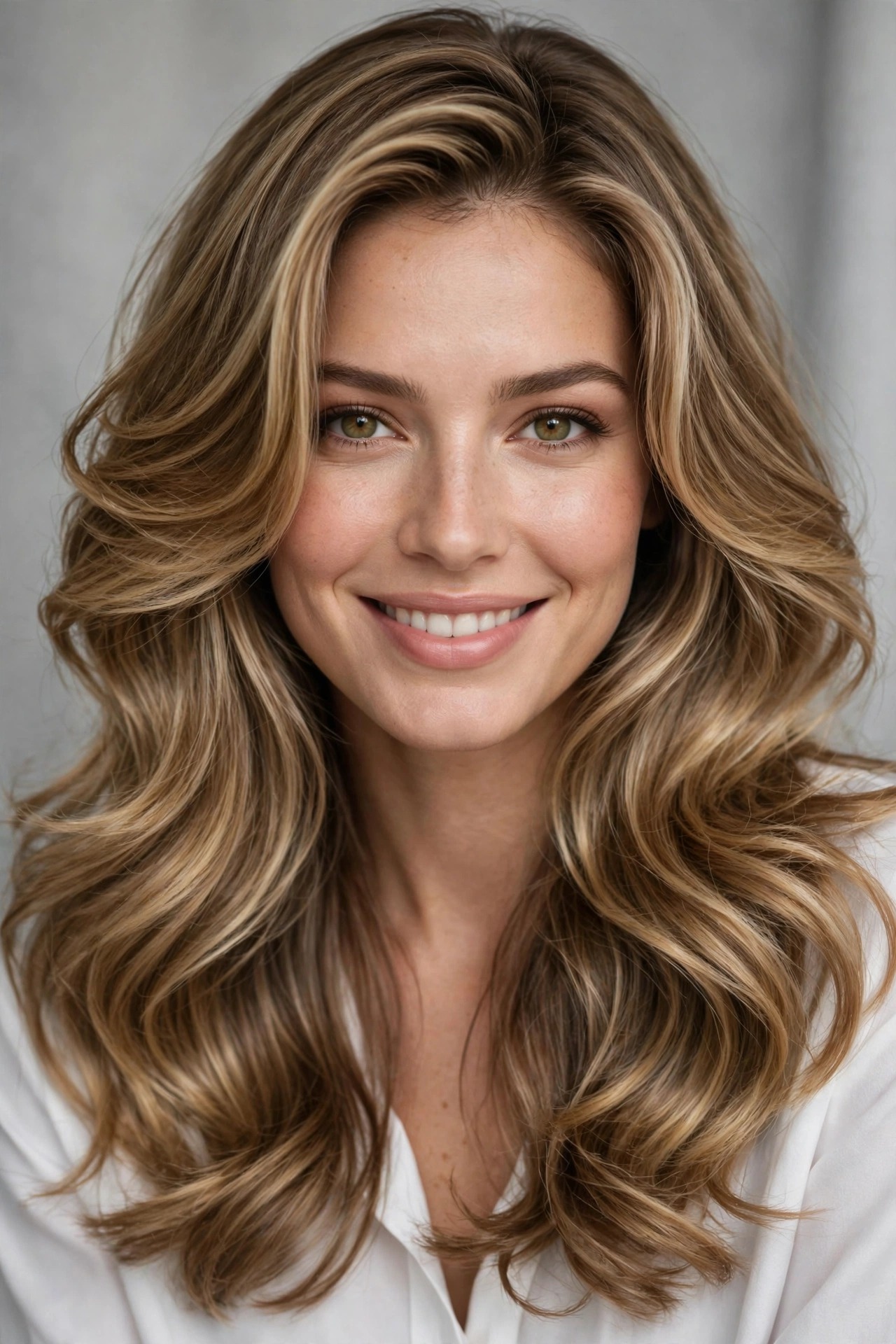
Midlength hair is the sweet spot — long enough for a ponytail, short enough to actually have a life. But here’s the secret stylists wish more clients knew: the same midlength cut behaves like five different haircuts depending on your hair type. A blunt chop that looks expensive on fine hair can turn thick hair into a triangle. Layers that make wavy hair sing can leave straight hair looking stringy.
So we flipped the script. Instead of one list for everyone, here are the nine midlength cuts matched to the hair they were born for — fine, thick, wavy, medium, straight — with what to ask for, real styling time, and who it flatters most. Find your hair type, screenshot your cut, and walk into your appointment like you wrote the brief.
1. The Long-Layered Midlength (for thick hair)
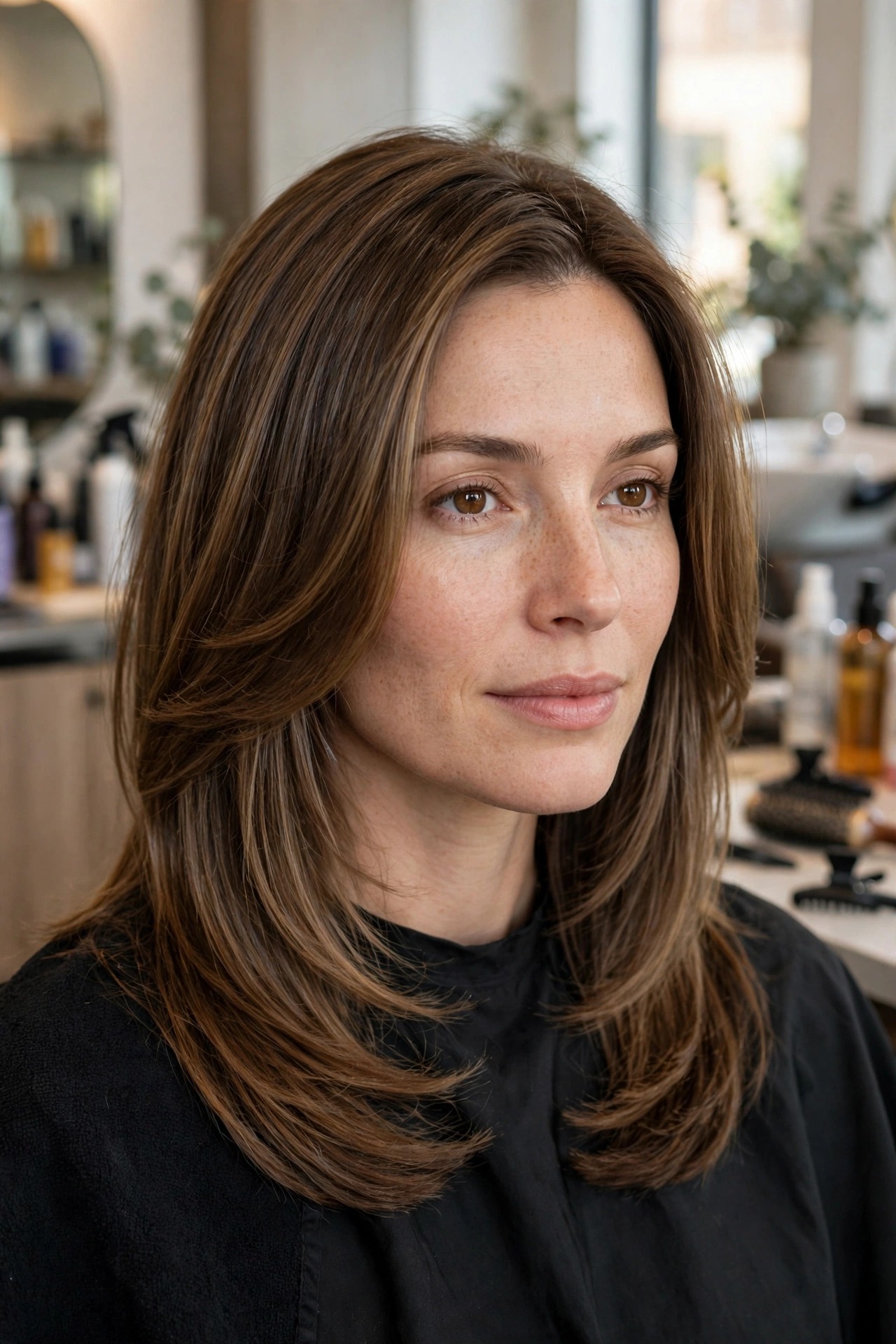
Thick hair’s best friend is long, blended layering that starts at the chin and melts downward. It removes weight where you don’t want it and keeps length where you do — no triangle, no pyramid, just movement.
Ask for: “Midlength hair, collarbone to armpit, with long seamless layers starting at chin level. Keep the perimeter full.”
Styling time: 10–12 minutes with a blow-dry brush; air-dries beautifully on wavy-thick hair.
Best for: Thick, dense hair of any wave pattern; oval, long, and square faces.
2. The Midlength Butterfly (for medium-to-thick hair)
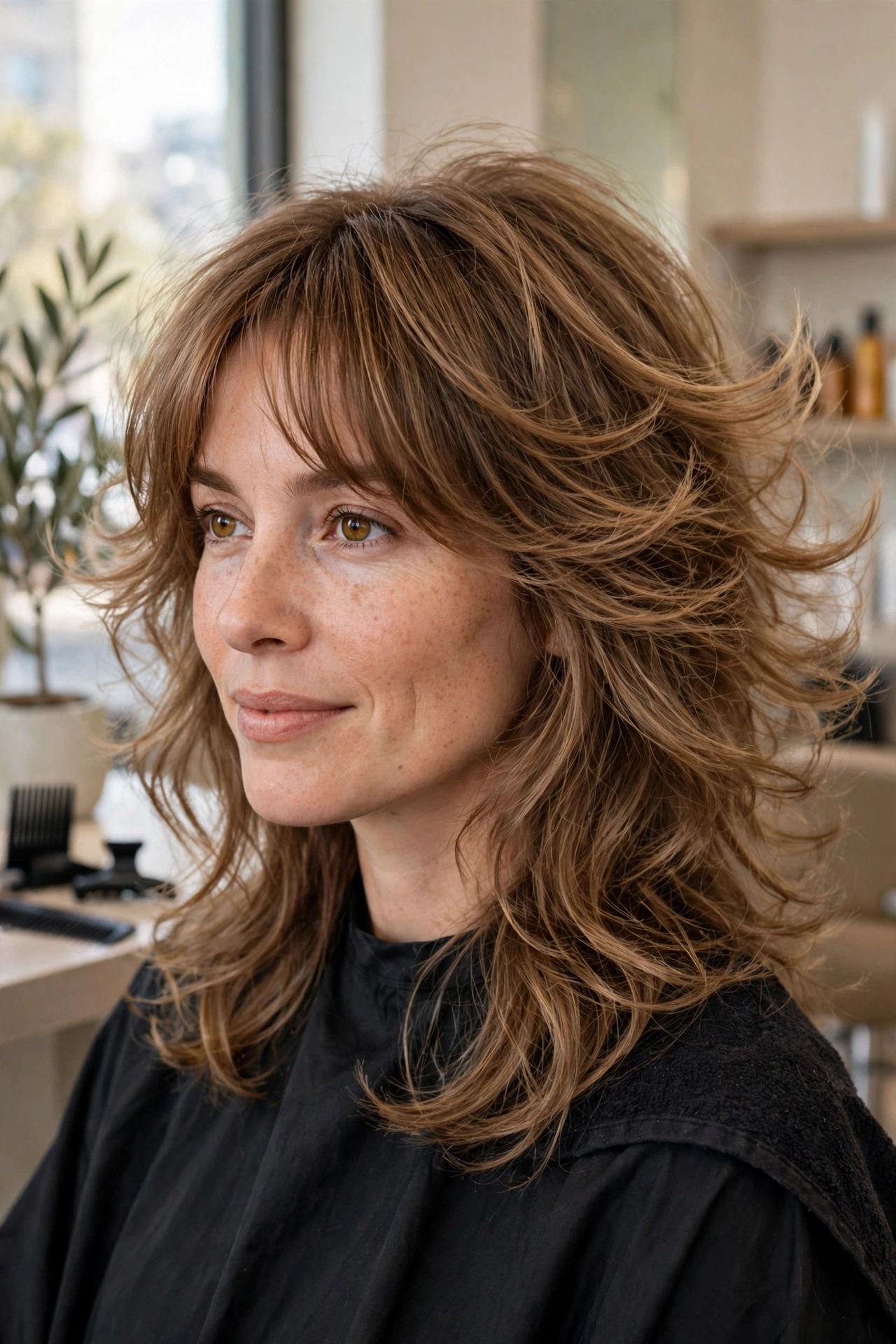
The viral butterfly, sized down to midlength. Shorter curtain layers up top give that bouncy, face-framing curtain effect, while the back keeps its length — all the drama of the trend with half the growing-out commitment.
Ask for: “A midlength butterfly — short face-framing layers through the crown, curtain bangs, length kept through the back.”
Styling time: 12–15 minutes with a round brush and rollers for max bounce.
Best for: Medium-to-thick hair that holds a curl; round and heart-shaped faces (the curtain bangs narrow the forehead).
3. The Blunt Collarbone Cut (for fine hair)
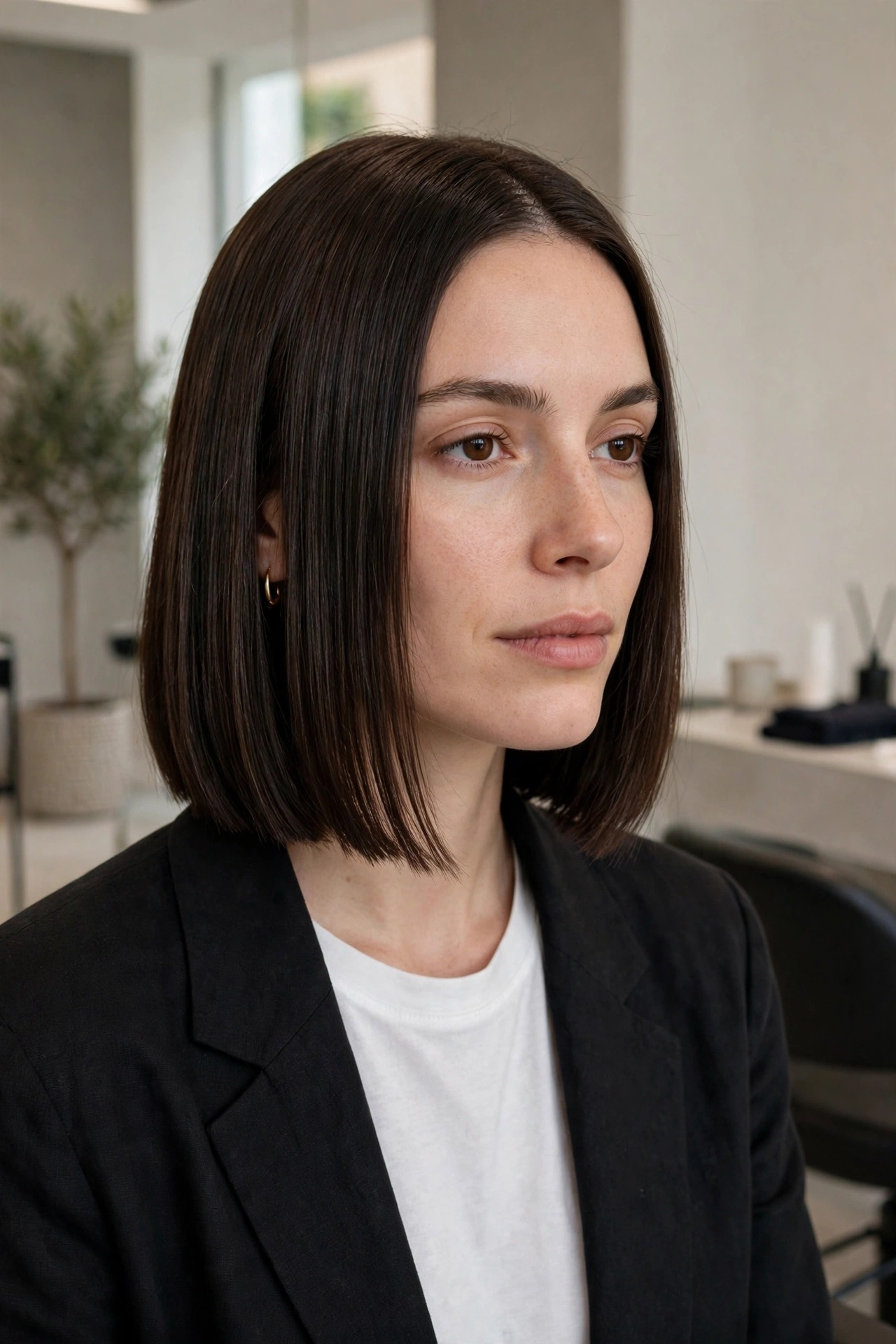
Fine hair’s golden rule: every layer you add is density you lose. A blunt perimeter ending right at the collarbone makes ends look twice as thick — it’s the oldest trick in the stylist playbook, and it still works.
Ask for: “One-length blunt cut hitting the collarbone. No visible layers — just a clean, sharp perimeter.”
Styling time: 8 minutes straightened, or air-dry with a smoothing cream.
Best for: Fine, straight-to-slightly-wavy hair; round faces (the length elongates).
4. The Shaggy Midlength + Curtain Bangs (for wavy hair)
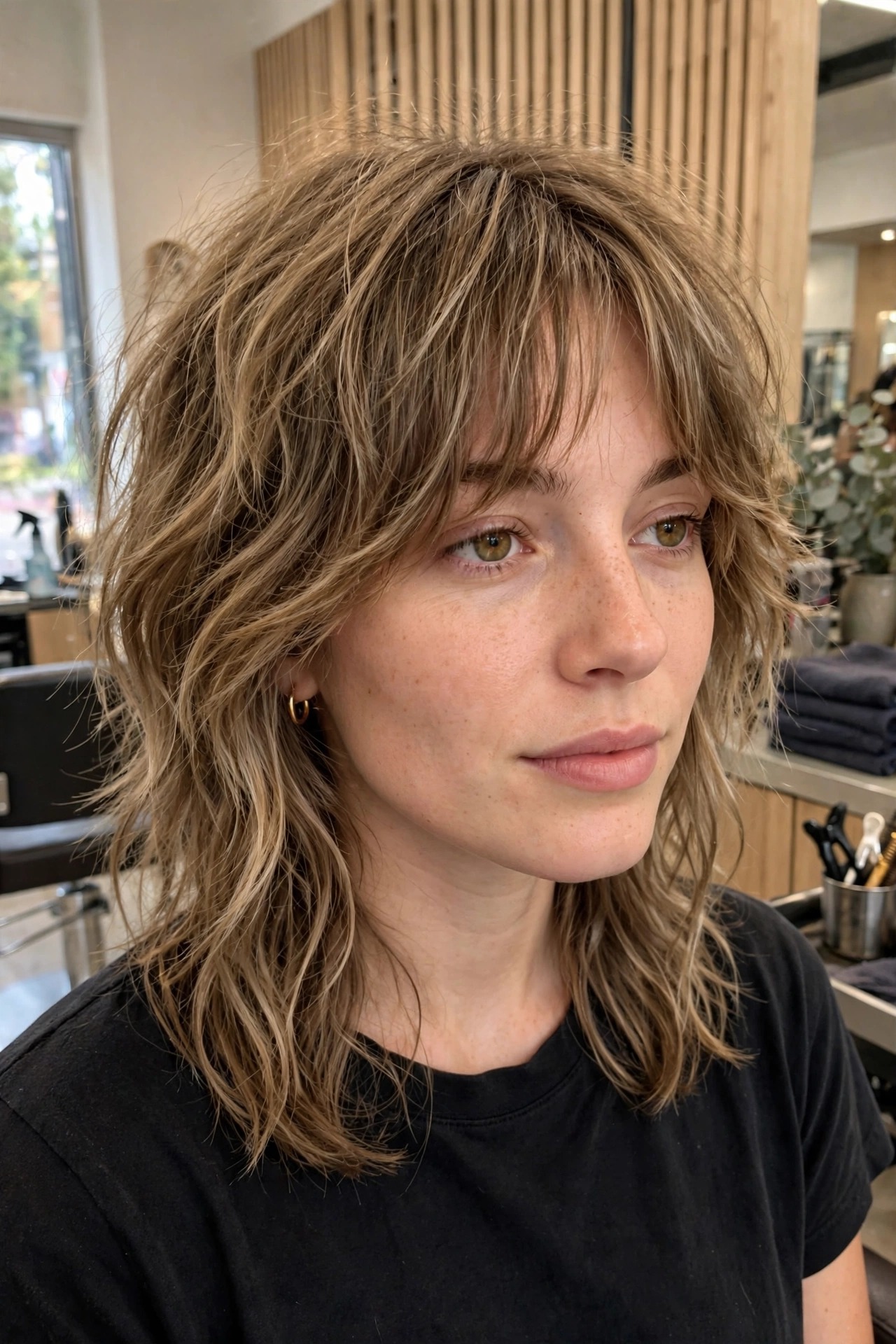
Wavy hair was made for the shag. Choppy, piece-y layers unlock the wave pattern instead of weighing it down, and curtain bangs blend straight into the layers — the whole cut looks intentional even on day three.
Ask for: “A shaggy midlength with textured layers and curtain bangs that blend into the sides. Razor or point-cut for softness.”
Styling time: 3–5 minutes — scrunch with wave cream and go.
Best for: Natural waves and loose curls; anyone who washes twice a week and leans on dry shampoo.
5. The Feathered 90s Blowout (for medium hair)
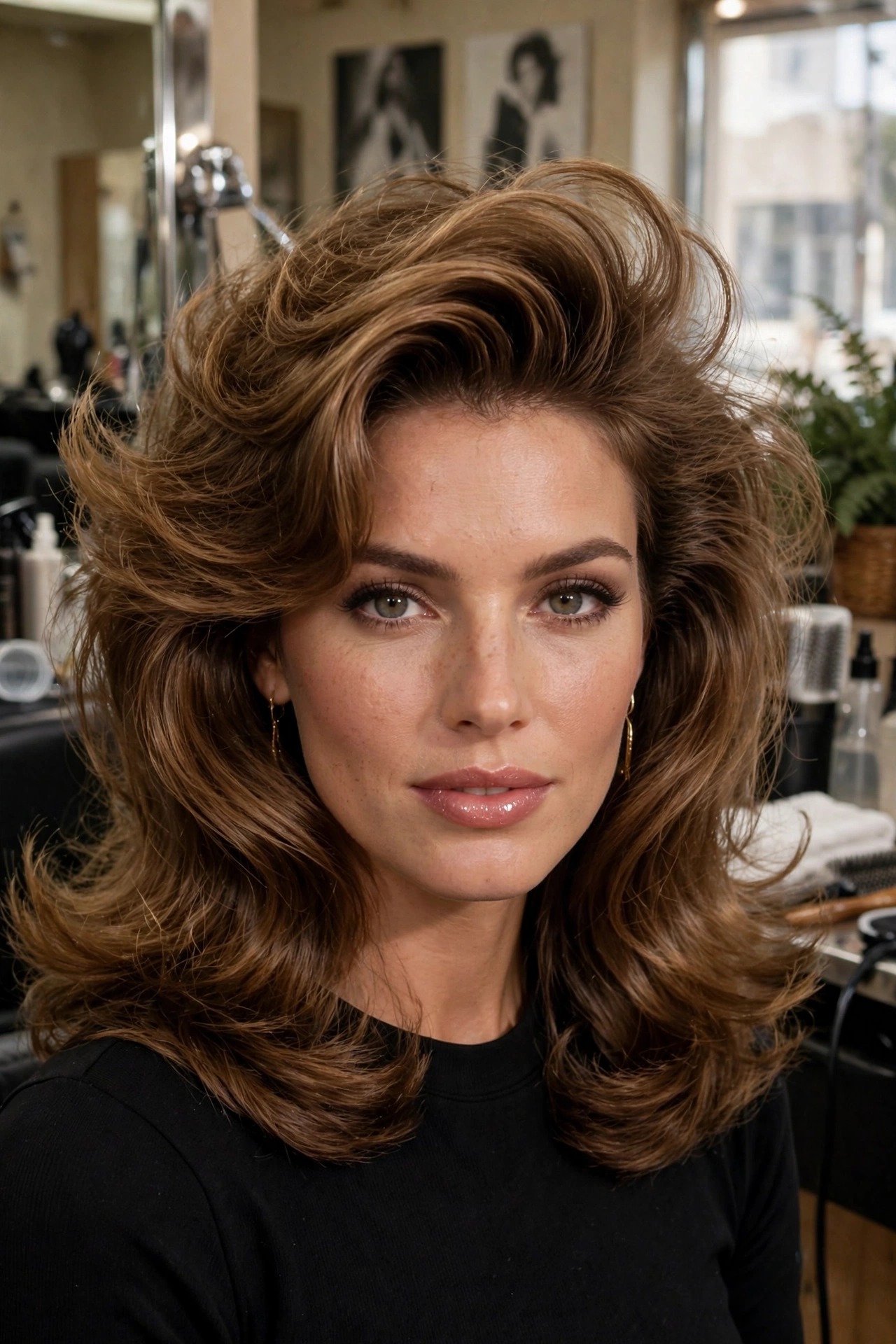
The supermodel blowout is back, but the 2026 version is lighter — layers are longer and more blended than the original Rachel, and the volume comes from a round brush, not backcombing. Feathered ends flip and flutter with every step.
Ask for: “Midlength with feathered, face-framing layers that kick outward. Bouncy blowout finish with flipped ends.”
Styling time: 15–18 minutes with a round brush and a cool-shot finish.
Best for: Medium-density hair with some natural body; anyone who wants maximum glamour per inch.
6. The Invisible-Layer Midlength (for very thick hair)
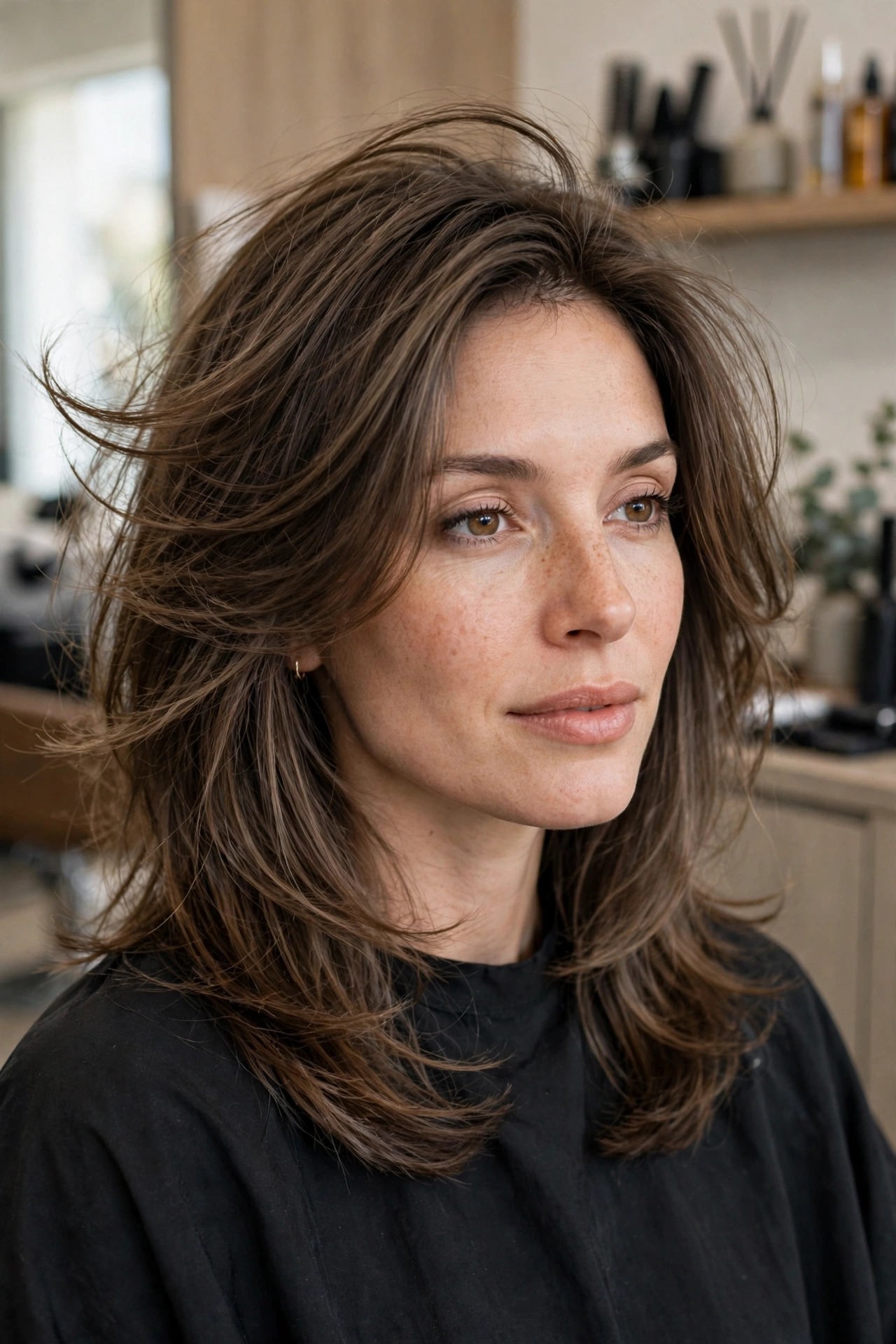
Looks like one length, behaves like layers. Hidden interior layering carves out bulk underneath while the top stays smooth — thick hair finally lies flat without the triangle effect as it grows out.
Ask for: “Midlength with invisible internal layers — remove the bulk underneath but keep the surface one length.”
Styling time: 10 minutes; the cut does the heavy lifting.
Best for: Very thick, coarse, or heavy hair; anyone whose hair “grows out, not down.”
7. The Textured Midlength + Wispy Bangs (for fine hair)
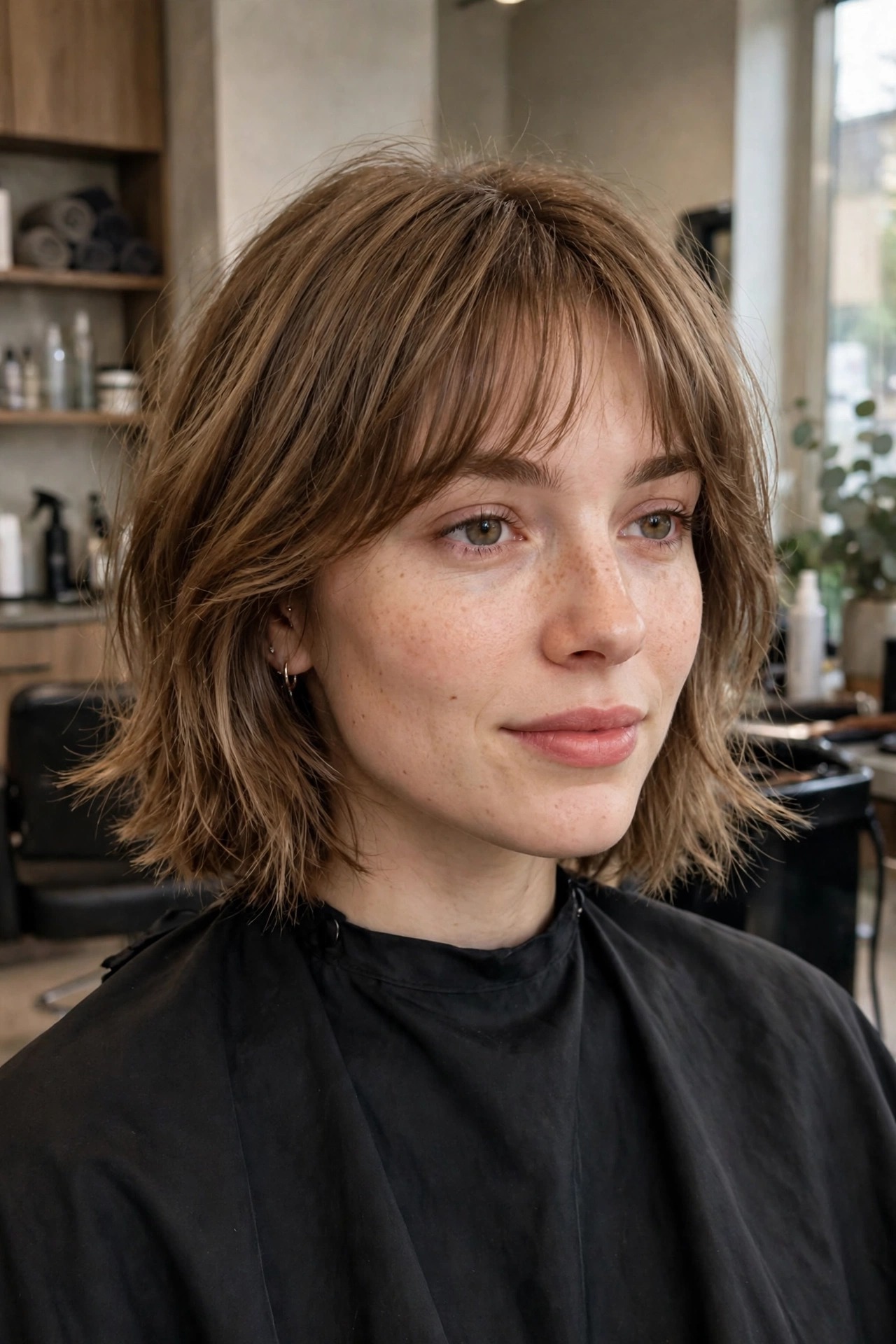
The exception to fine hair’s no-layer rule: light texture through the ends plus wispy bangs. The texture creates the illusion of fullness and movement, and wispy bangs add style without stealing density from the rest of the head.
Ask for: “Midlength with light point-cut texture through the ends and soft wispy bangs — keep the base full.”
Styling time: 5–8 minutes with a texturizing spray.
Best for: Fine hair that falls flat; longer faces (bangs shorten the forehead).
8. The One-Length Center Part (for straight hair)
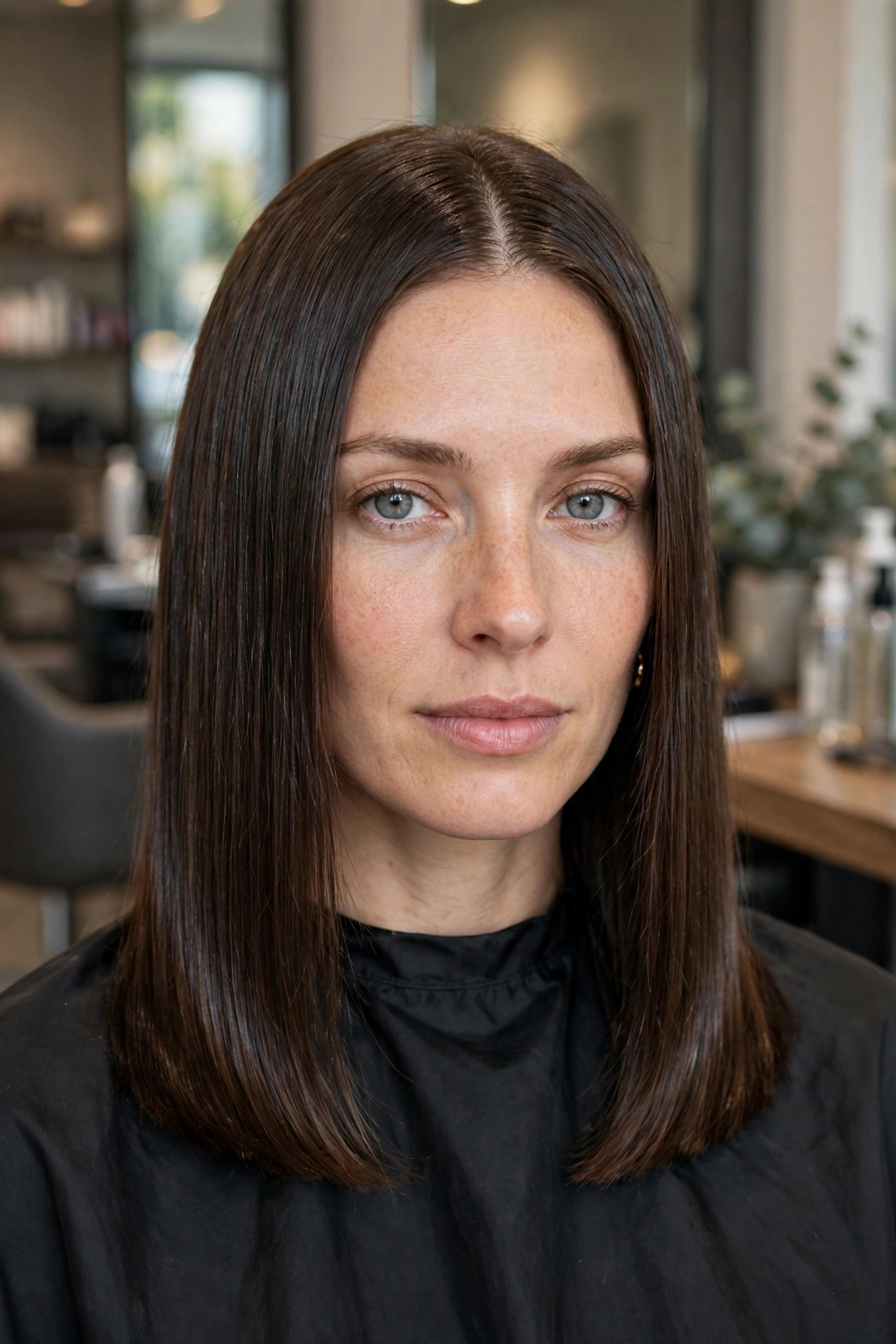
Straight hair’s red-carpet moment: one clean length, a sharp center part, and glass-hair shine. It’s the lowest-effort high-impact cut on this list — the line of the cut IS the style, so healthy ends do all the talking.
Ask for: “One length, mid-back of the neck to collarbone, center part, blunt ends. Polish with a shine serum.”
Styling time: 5 minutes — straighten if needed, serum, done.
Best for: Naturally straight hair; oval and heart-shaped faces.
9. The Rounded Bouncy Midlength (for every hair type)
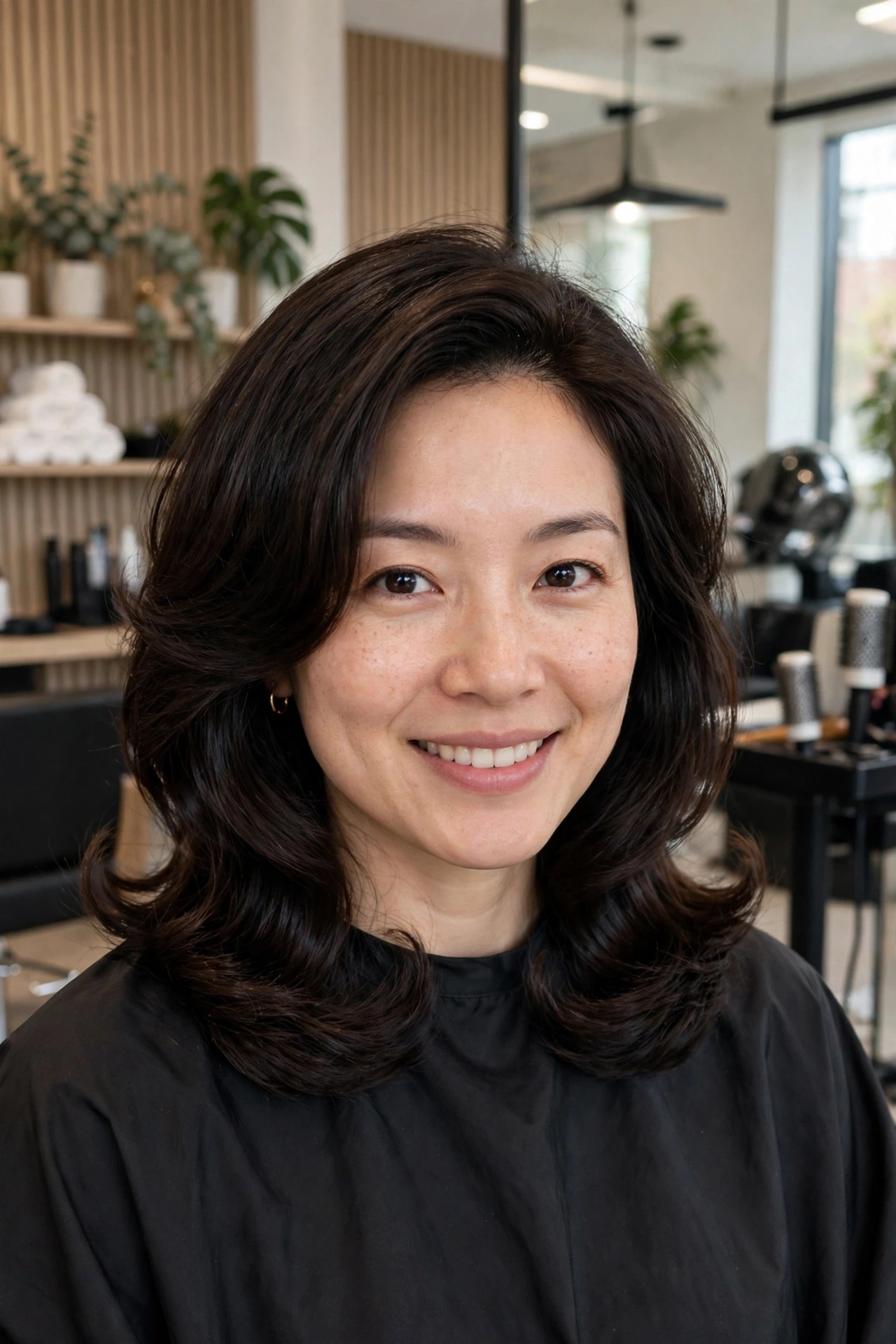
The universal donor. Soft layers curve inward at the ends, giving that rounded, expensive blowout shape that works on fine, medium, and thick hair alike. If you’re unsure which cut matches your texture, start here — no stylist has ever talked a client out of it.
Ask for: “A rounded midlength with soft layers that turn under at the ends — bouncy blowout shape.”
Styling time: 10–12 minutes with a round brush.
Best for: Literally everyone. The safest “new cut” on this list.
Quick Match: Your Hair Type → Your Cut
| Your hair type | Get this cut | Why it works |
|---|---|---|
| Fine / thin | Blunt Collarbone Cut or Textured + Wispy Bangs | Blunt ends fake density; light texture adds movement without thinning |
| Thick / heavy | Long-Layered Midlength or Invisible Layers | Removes weight and kills the triangle effect |
| Wavy | Shaggy Midlength + Curtain Bangs | Layers unlock the wave instead of dragging it down |
| Medium density | Butterfly or Feathered 90s Blowout | Enough hair to hold the bounce, not so much it collapses |
| Straight | One-Length Center Part | The clean line is the whole look — shine does the rest |
| Not sure / in-between | Rounded Bouncy Midlength | Flatters every texture and face shape |
What to Tell Your Stylist
Bring a photo from this post — then add the two sentences that change everything: “Cut it for my hair type, not for the photo.” A good stylist will adjust the layering, the weight, and the length to your actual texture. Also be honest about your routine: if you never use heat, say so, and they’ll cut for air-dry instead of a blowout you’ll never recreate.
FAQ
Is midlength hair good for fine hair?
Yes — if the cut is right. Keep it blunt at the ends (collarbone length is ideal) and avoid heavy layering, which thins out the bottom. The blunt perimeter makes ends look twice as thick.
How do I stop thick midlength hair from looking like a triangle?
Ask for invisible internal layers or long blended layers. They remove bulk from underneath while the top stays smooth, so the hair falls in a column instead of flaring out.
Can wavy hair do a blunt cut?
It can, but texture usually serves waves better. A blunt cut on wavy hair needs regular smoothing; the shaggy midlength works with the wave instead of against it.
How often should I trim a midlength cut?
Every 8–10 weeks to keep the shape. Blunt cuts show growth fastest; shags and textured cuts are forgiving up to 12 weeks.
What’s the most low-maintenance midlength cut?
The shaggy midlength for wavy hair — it looks better slightly undone. For straight hair, the one-length center part: wash, serum, go.
Will curtain bangs work with my hair type?
Curtain bangs are the most texture-forgiving fringe there is — they blend into layers on wavy, thick, and medium hair. On very fine hair, ask for them wispy so they don’t eat into your density.
The right midlength cut doesn’t fight your hair type — it uses it. Match the cut to your texture, tell your stylist the truth about your mornings, and you’ll get the version of this length that looks like it was designed for you. Because the best ones are.