HAIRCUT IDEAS
12 Volume-Boosting Cuts for Fine, Thin Hair
Fine hair doesn’t need to look fine. These 12 cuts fake thickness, lift roots, and turn flat strands into your best feature.
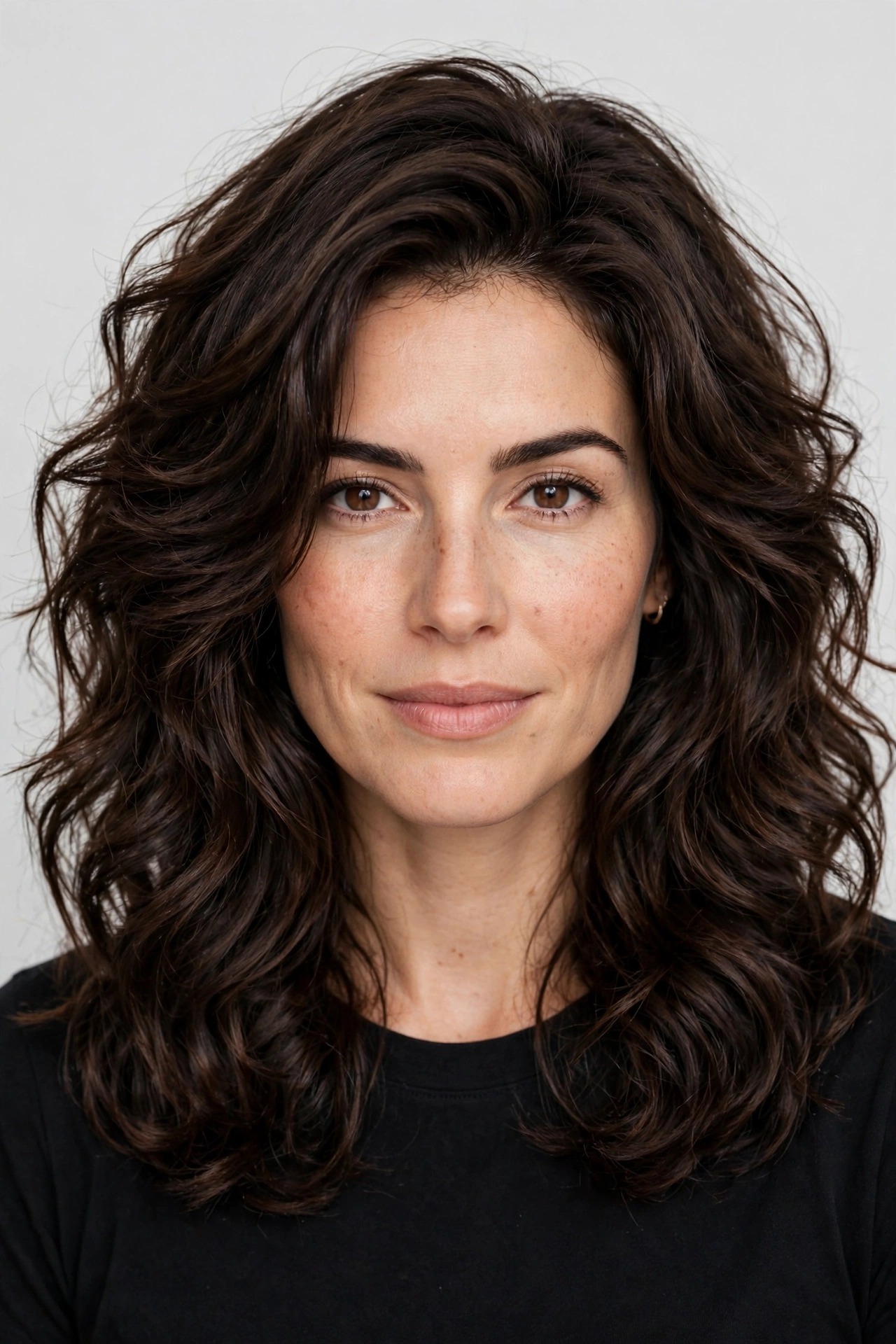
If your hair is fine, you’ve heard the same advice forever: “just add layers.” But here’s what stylists actually know — the wrong layers make fine hair thinner, while the right cut can make the same head of hair look twice as thick. Volume is an engineering problem, and these 12 cuts are the blueprints. Each one tells you exactly what to ask for at the salon, how long it takes to style, and who it flatters most.
1. The Stacked Bob
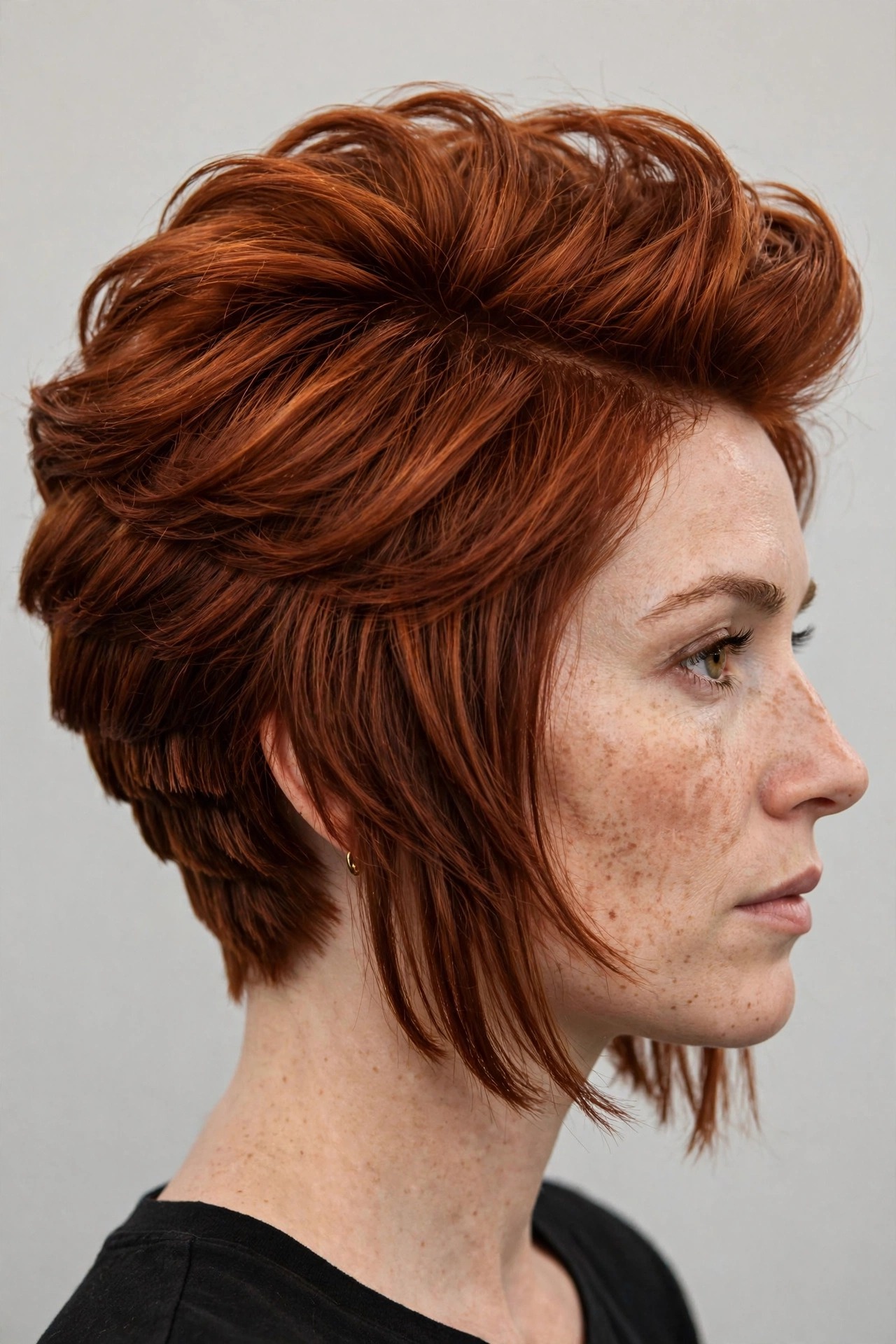
The stacked bob is basically architecture for your head. Shorter, graduated layers at the nape push the top layers upward, building a crown of volume that gravity can’t touch. Ask for: stacked, graduated layers at the back with the front left at chin length — and tell your stylist you want “weight, not wisps,” so the ends stay thick. Styling time: 8–10 minutes with a round brush. Suits: straight to slightly wavy hair; round and oval faces especially. Payoff: instant, permanent-looking fullness that even survives day-two hair.
2. The Invisible-Layer Lob
This is the secret weapon of every celebrity with “fine” hair. The lob looks one-length from the outside, but your stylist cuts short, hidden layers underneath that prop everything up like scaffolding. Ask for: a collarbone-length lob with interior layers cut two inches shorter than the perimeter — “invisible layers, blunt perimeter.” Styling time: 5 minutes air-dried with a mousse, 10 with a blowout. Suits: literally everyone; it’s the most forgiving cut in this list. Payoff: the ends look thick and expensive instead of stringy.
3. The Curly Crop
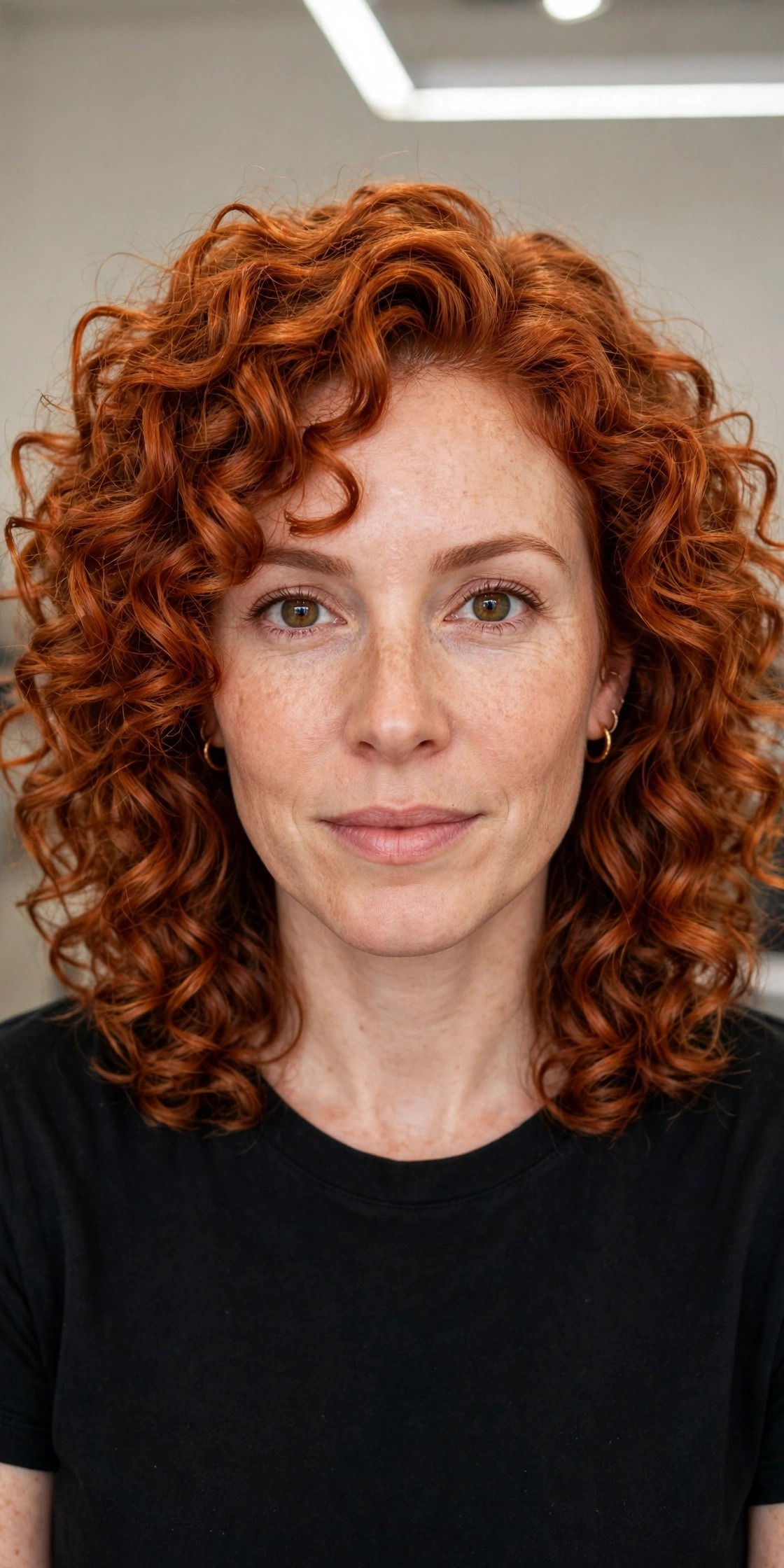
If your hair has any wave or curl, stop fighting it — curls are nature’s volumizer. A shoulder-length curly cut with rounded layers lets every curl stack on top of the next. Ask for: rounded, uniform layers and a dry cut (curls shrink — your stylist should cut them where they live). Styling time: 3 minutes: scrunch in curl cream, diffuse or air-dry. Suits: wavy to curly textures; great for long faces since width balances length. Payoff: the easiest volume on this list — your texture does all the work.
4. The Shag for Fine Hair
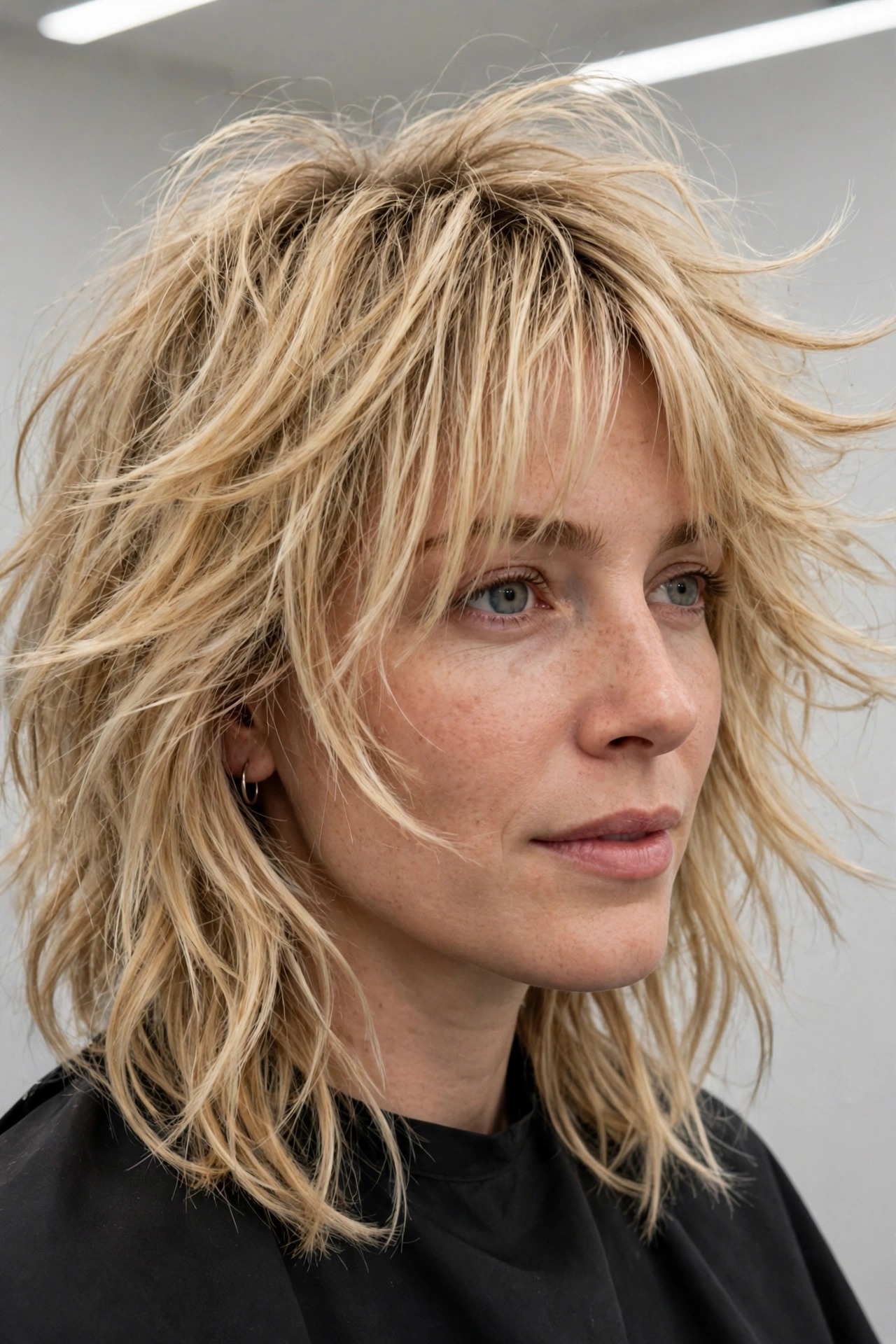
A shag on fine hair sounds risky, but the trick is keeping the layers long — choppy texture on top, length and weight at the bottom. The result is movement that reads as thickness. Ask for: long layers with a shaggy crown and curtain bangs; no razoring on the ends (it thins them out). Styling time: 5 minutes with texture spray and a scrunch. Suits: wavy and straight hair; oval, heart, and square faces. Payoff: effortless, model-off-duty fullness that looks better slightly messy.
5. The Butterfly Cut
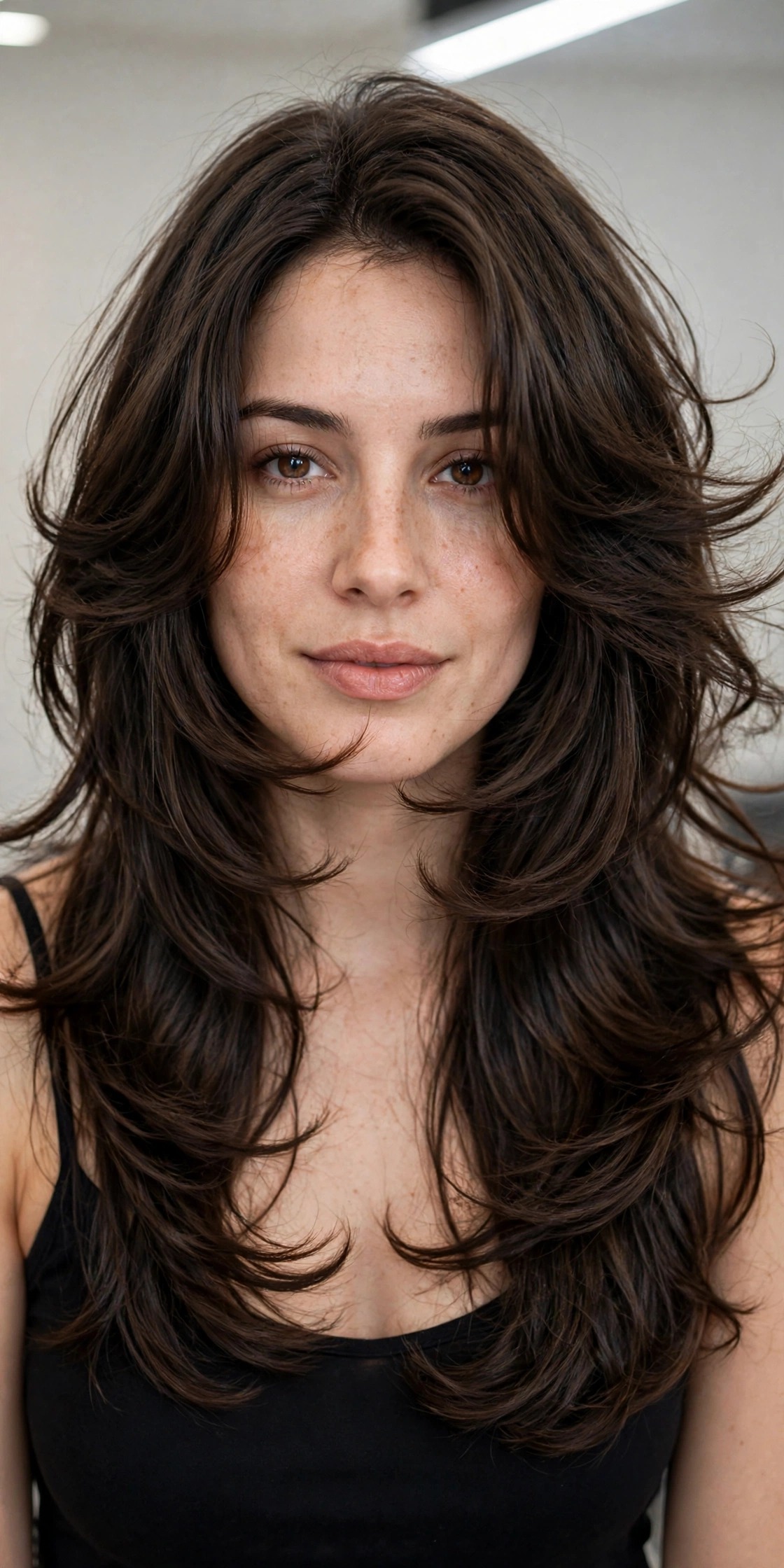
The butterfly cut gives you the best of both worlds: short, bouncy layers framing the face that flip outward with volume, and long layers underneath that keep your length. Ask for: face-framing layers starting at chin length, with long layers through the back — “butterfly cut, keep the perimeter full.” Styling time: 10 minutes with a round brush, flipping face pieces away from the face. Suits: medium to long hair; flatters every face shape because the framing is customizable. Payoff: short-hair bounce around your face, long-hair drama everywhere else.
6. The Blunt Mid-Length

Sometimes the thickest-looking cut is the simplest. A blunt cut at the collarbone keeps every strand ending at the same place, so the bottom edge looks dense and heavy. Ask for: a clean blunt perimeter with light, hidden layers just at the crown for lift — “blunt cut, no thinning shears.” Styling time: 5 minutes straightened or 7 with a blowout for bend. Suits: straight and fine hair; petite frames love the collarbone length. Payoff: maximum visual density — your ends will look twice as thick overnight.
7. The Feathered 70s Revival
Feathering is back, and fine hair is exactly why. Soft, flicked-out layers around the face catch light and air, creating the illusion of movement and body where there isn’t much. Ask for: feathered layers from the cheekbones down, cut with a slight outward flip — think modern Farrah, not costume. Styling time: 8 minutes: blow-dry with a round brush, flicking ends outward. Suits: straight to wavy hair; gorgeous on oval and oblong faces. Payoff: retro glamour that makes fine hair look deliberately styled, never limp.
8. The Wavy Tousled Mid-Length
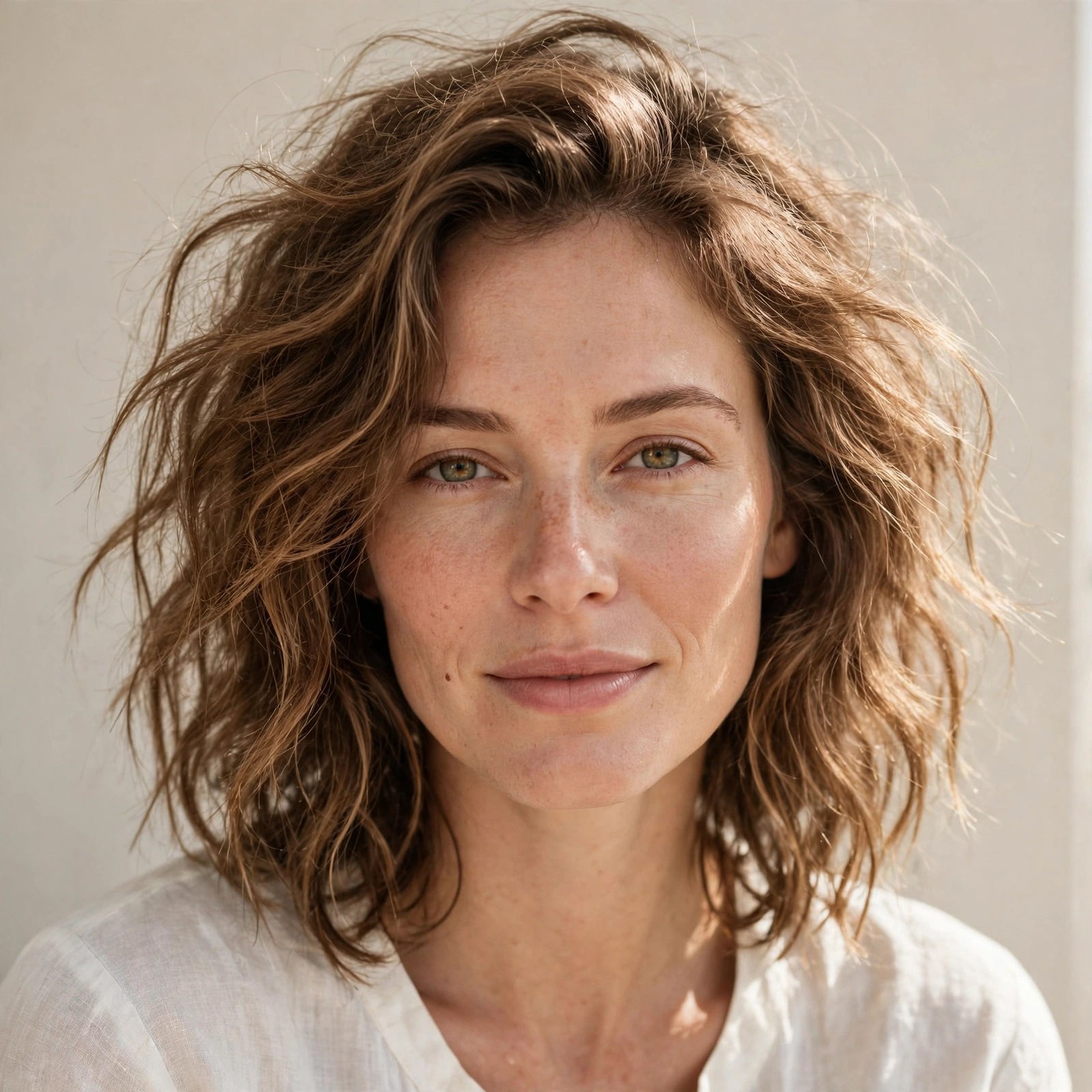
Texture is a cheat code for volume. Loose, tousled waves break up the hair’s surface so light hits it unevenly — and uneven light reads as fullness. Ask for: long layers with soft, point-cut ends; the wave does the rest. Styling time: 6 minutes: a few passes with a curling wand on alternating sections, then a shake-out. Suits: naturally wavy or easily-waved hair; all face shapes. Payoff: the “I woke up like this” fullness that photographs beautifully.
9. The A-Line Lob with a Deep Side Part
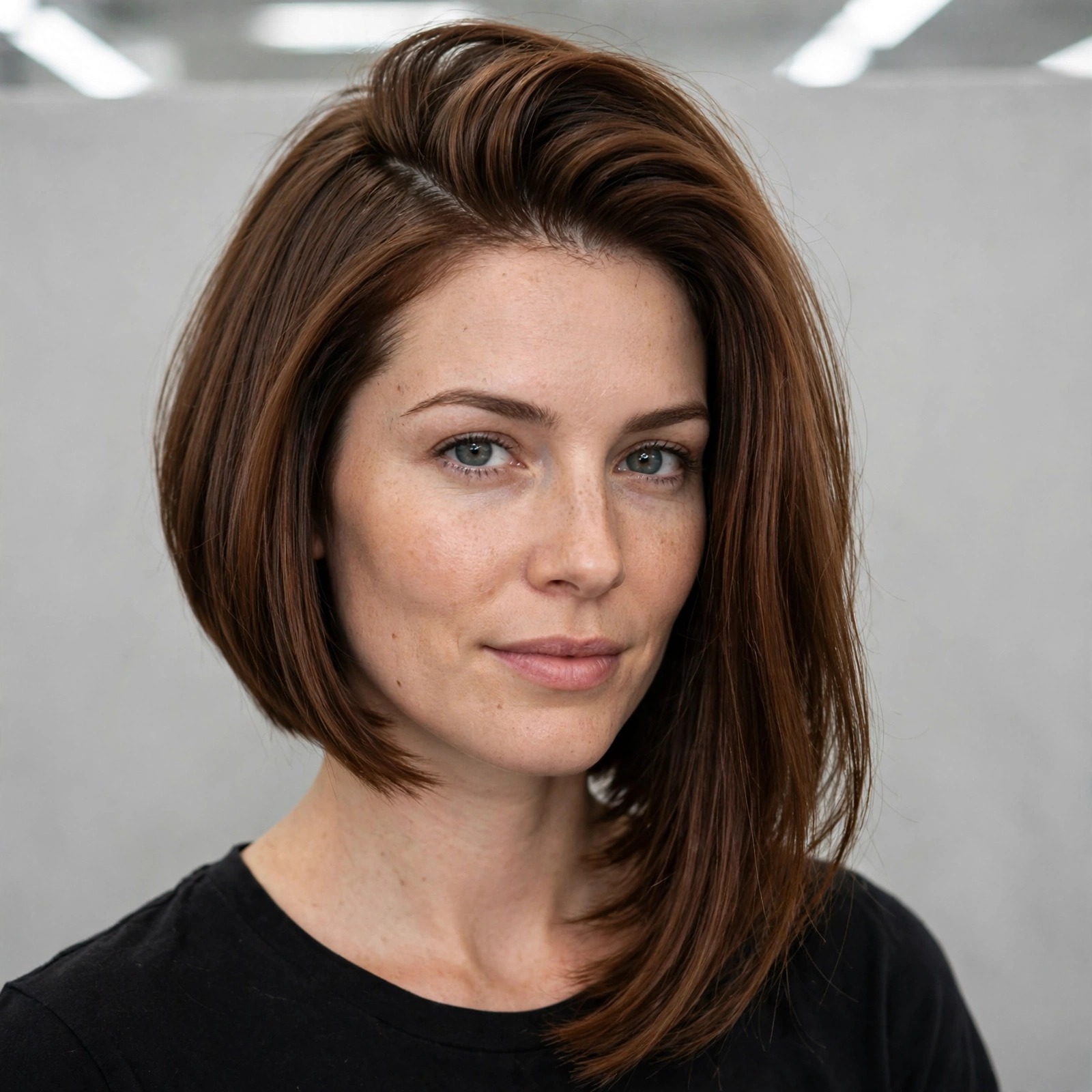
Two tricks in one cut: the A-line shape (shorter in back, longer in front) stacks weight at the back for lift, and flipping to a deep side part instantly doubles the volume on top. Ask for: an A-line lob grazing the collarbone in front, stacked shorter in back, plus a deep side part. Styling time: 7 minutes: blow-dry roots against the part for lift. Suits: straight hair; the asymmetry flatters round and square faces. Payoff: dramatic, editorial volume from a cut that still looks office-appropriate.
10. The Curly Shag
For fine curls, the curly shag is a revelation. Short layers through the crown let curls spring up instead of being dragged down by their own weight, and the result is a halo of volume. Ask for: a dry cut with short crown layers and longer length at the back — “curly shag, cut dry.” Styling time: 4 minutes: gel or mousse, scrunch, done. Suits: wavy to coily textures; brilliant for long faces that need width. Payoff: fine curls finally look like a choice instead of a struggle.
11. The Bouncy Blowout Layers
This is the cut behind every “expensive hair” photo on Pinterest: long layers engineered specifically for a bouncy blowout, with the face-framing pieces cut to curve under. Ask for: long layers with curved, under-flipped face framing — “blowout layers, keep the length.” Styling time: 12–15 minutes with a round brush or hot rollers (the one high-maintenance pick on this list, and worth it). Suits: medium to thick-feeling fine hair; stunning on oval faces. Payoff: salon-commercial bounce that makes people ask who does your hair.
12. The Modern Wolf Cut
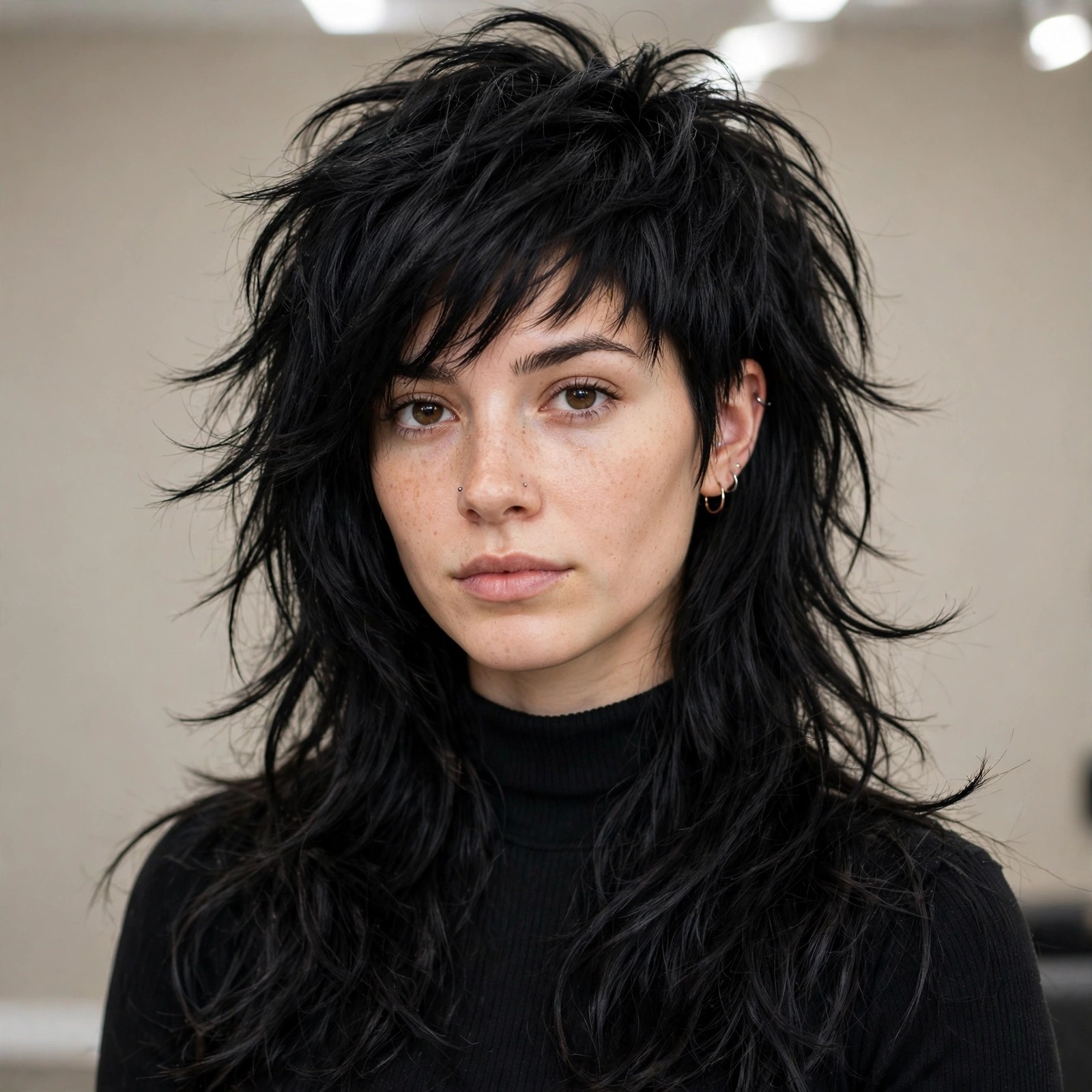
The wolf cut’s heavy top layers are practically designed for fine hair: all the action happens at the crown, where you need volume most, while the longer ends keep things feminine. Ask for: a soft, wearable wolf cut — heavy layers on top, longer textured ends, no extreme mullet. Styling time: 5 minutes with texture spray and a rough dry. Suits: straight to wavy hair; edgy personalities and oval/heart faces. Payoff: maximum volume at the crown with an effortlessly cool finish.
Quick Comparison: Which Cut for You?
| Cut | Best for | Styling time | Volume level |
|---|---|---|---|
| Stacked Bob | Straight, fine hair | 8–10 min | ★★★★★ |
| Invisible-Layer Lob | Everyone | 5–10 min | ★★★★☆ |
| Curly Crop | Wavy/curly texture | 3 min | ★★★★★ |
| Shag | Wavy hair | 5 min | ★★★★☆ |
| Butterfly Cut | Medium-long hair | 10 min | ★★★★☆ |
| Blunt Mid-Length | Straight, fine hair | 5–7 min | ★★★★☆ |
| Feathered 70s | Straight/wavy | 8 min | ★★★☆☆ |
| Wavy Tousled | Wavy hair | 6 min | ★★★★☆ |
| A-Line Lob | Straight hair | 7 min | ★★★★★ |
| Curly Shag | Curly texture | 4 min | ★★★★★ |
| Blowout Layers | Medium-long hair | 12–15 min | ★★★★★ |
| Wolf Cut | Straight/wavy | 5 min | ★★★★★ |
Frequently Asked Questions
Do layers make fine hair look thinner?
Bad layers do. Short, choppy layers cut with a razor remove weight and leave fine hair wispy. The cuts on this list use strategic layers — stacked, hidden, or long — that add structure without stealing density. Always tell your stylist to keep the perimeter thick.
What’s the lowest-maintenance volume cut?
The Curly Crop (3 minutes) if you have texture, or the Invisible-Layer Lob (5 minutes) if you don’t. Both look full with almost no effort — the cut does the heavy lifting.
Should fine hair be cut wet or dry?
For curly and wavy textures, a dry cut is far more accurate since curls shrink as they dry. For straight fine hair, a precision wet cut works beautifully. If your stylist insists on one method for every head of hair, that’s a red flag.
How often should I trim a volume-boosting cut?
Every 6–8 weeks. Volume cuts rely on shape — stacked napes grow out, blunt edges thin out, and layers lose their lift. A quick shape-up trim keeps the architecture working.
What products actually help fine hair look thicker?
Root-lifting mousse applied to damp roots, a light texture spray (never heavy oils), and dry shampoo on day two. The golden rule: keep product off your ends — weight at the ends kills volume at the roots.
Here’s the truth no one tells you about fine hair: thickness is mostly an illusion, and illusions are just good technique. Pick one cut from this list, bring its name and the “ask for” line to your stylist, and watch the same hair you’ve always had suddenly look like twice as much of it. Your fine hair was never the problem — it was just waiting for the right blueprint.